Occasional mild swelling may not be serious. However, medical evaluation is important if:
Swelling persists for several days
One leg is significantly larger than the other
Pain, redness, or warmth appears
You experience chest pain or shortness of breath
Swelling keeps returning frequently
Final Thoughts
Swollen legs are not always “just fatigue.” Sometimes, they are the body’s quiet signal that circulation, heart function, kidneys, or veins may need attention.
Listening to these signs early could help prevent more serious health complications later on.
Swollen Legs: What Could It Mean? 20 Important Causes, Warning Signs, and Ways to Protect Your Health
7. Chronic Venous Insufficiency: When Blood Struggles to Return to the Heart
One frequently overlooked cause of persistent leg swelling is chronic venous insufficiency, a condition in which the veins have difficulty carrying blood from the legs back toward the heart.
Normally, tiny valves inside the veins open to allow blood to move upward and close to prevent it from flowing backward. When these valves become weakened or damaged, blood can collect in the lower legs, increasing pressure inside the veins and allowing fluid to leak into surrounding tissues.
This process can gradually produce swelling around the ankles and lower calves.
People with chronic venous insufficiency may notice that their legs feel heavy, tired, or uncomfortable after standing for long periods. The swelling may become more noticeable toward the end of the day and improve after resting with the legs elevated.
Other signs can include:
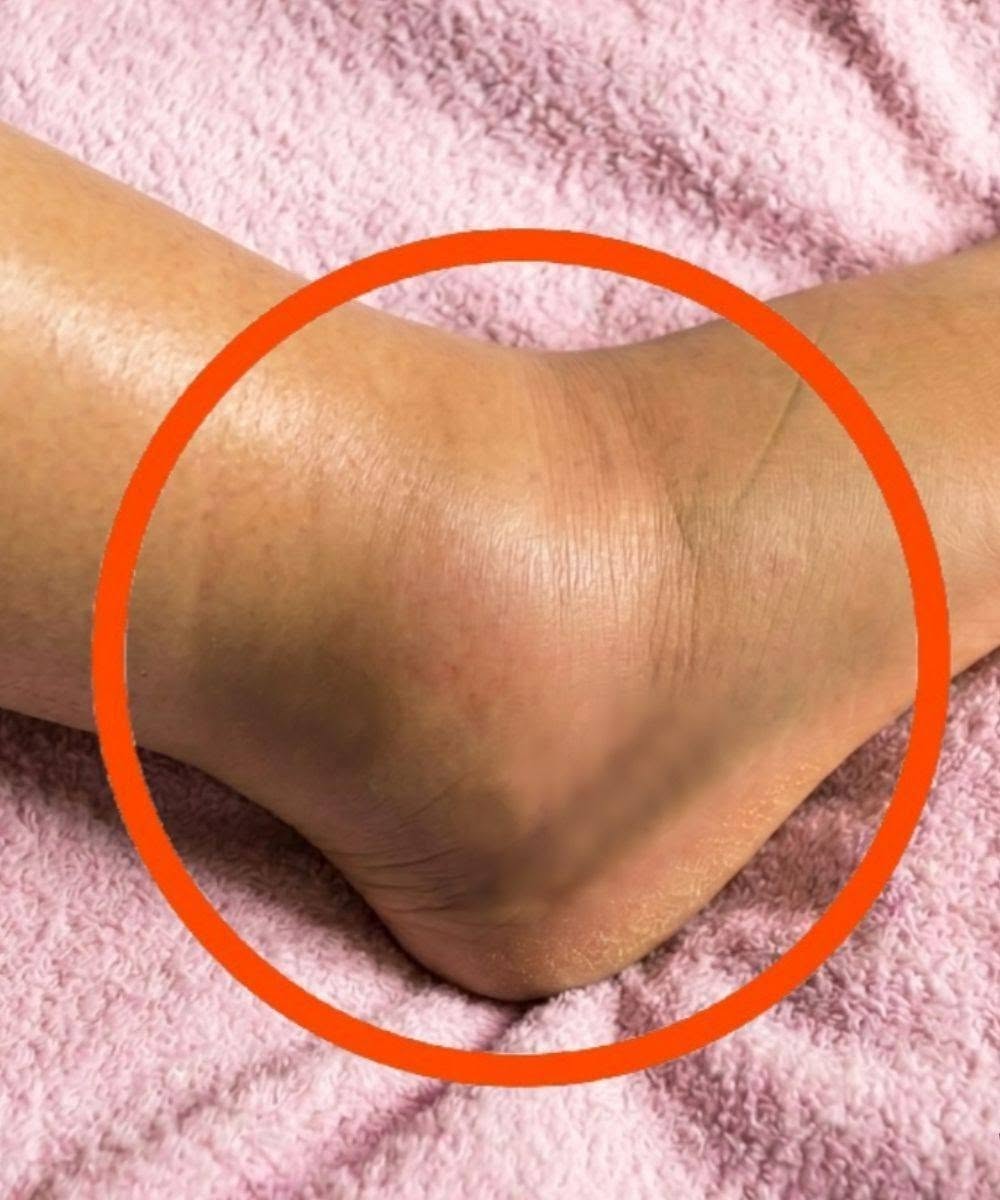
Brownish discoloration around the ankles.
Itching or irritation of the lower-leg skin.
Visible varicose veins.
Skin that becomes thickened or hardened.
Wounds near the ankles that heal slowly.
Over time, untreated venous disease can contribute to skin damage and venous ulcers.
The condition is more common among older adults and people who spend many hours sitting or standing. Previous blood clots, pregnancy, obesity, and a family history of vein problems can also increase the risk.
The good news is that several treatments can help manage symptoms. Depending on the severity, a healthcare professional may recommend regular walking, leg elevation, compression therapy, or procedures designed to improve venous blood flow.
Compression stockings are not suitable for everyone, particularly people with significant arterial circulation problems. A clinician should assess whether compression is appropriate before it is started, especially when the cause of swelling is uncertain.