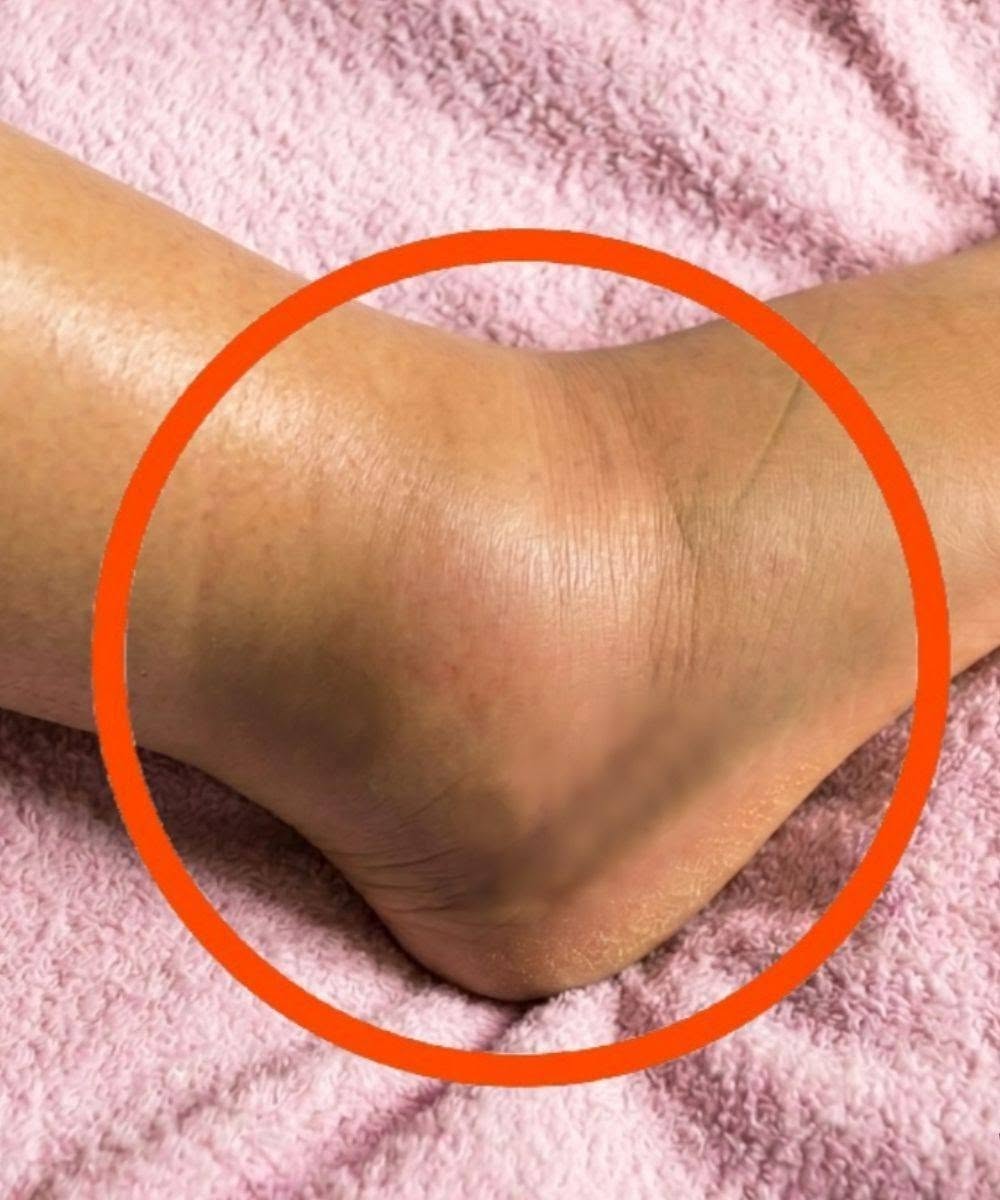
Varicose veins occur when weakened vein valves allow blood to pool in the legs instead of flowing efficiently upward.
This condition may cause:
Swollen ankles
Aching or burning sensations
Bulging blue or purple veins
Heaviness in the legs
Long periods of standing can make symptoms worse.
6
4. Heart Problems
Swelling in both legs can sometimes indicate that the heart is not pumping blood effectively. When circulation slows down, fluid may build up in the lower body.
This type of swelling may be accompanied by:
Shortness of breath
Fatigue
Rapid heartbeat
Chest discomfort
Persistent swelling linked to breathing difficulties should be evaluated immediately.
5. Kidney or Liver Disease
The kidneys and liver help regulate fluid balance in the body. When these organs are not functioning properly, fluid retention may occur.
People with kidney or liver issues may also notice:
Puffy eyes
Abdominal swelling
Fatigue
Changes in urination
6. Blood Clots
Sudden swelling in one leg — especially when combined with redness, warmth, or pain — may signal a dangerous blood clot known as deep vein thrombosis (DVT).
This condition can become life-threatening if the clot travels to the lungs.
Seek urgent medical attention if swelling appears suddenly in only one leg.
4
When Should You See a Doctor?