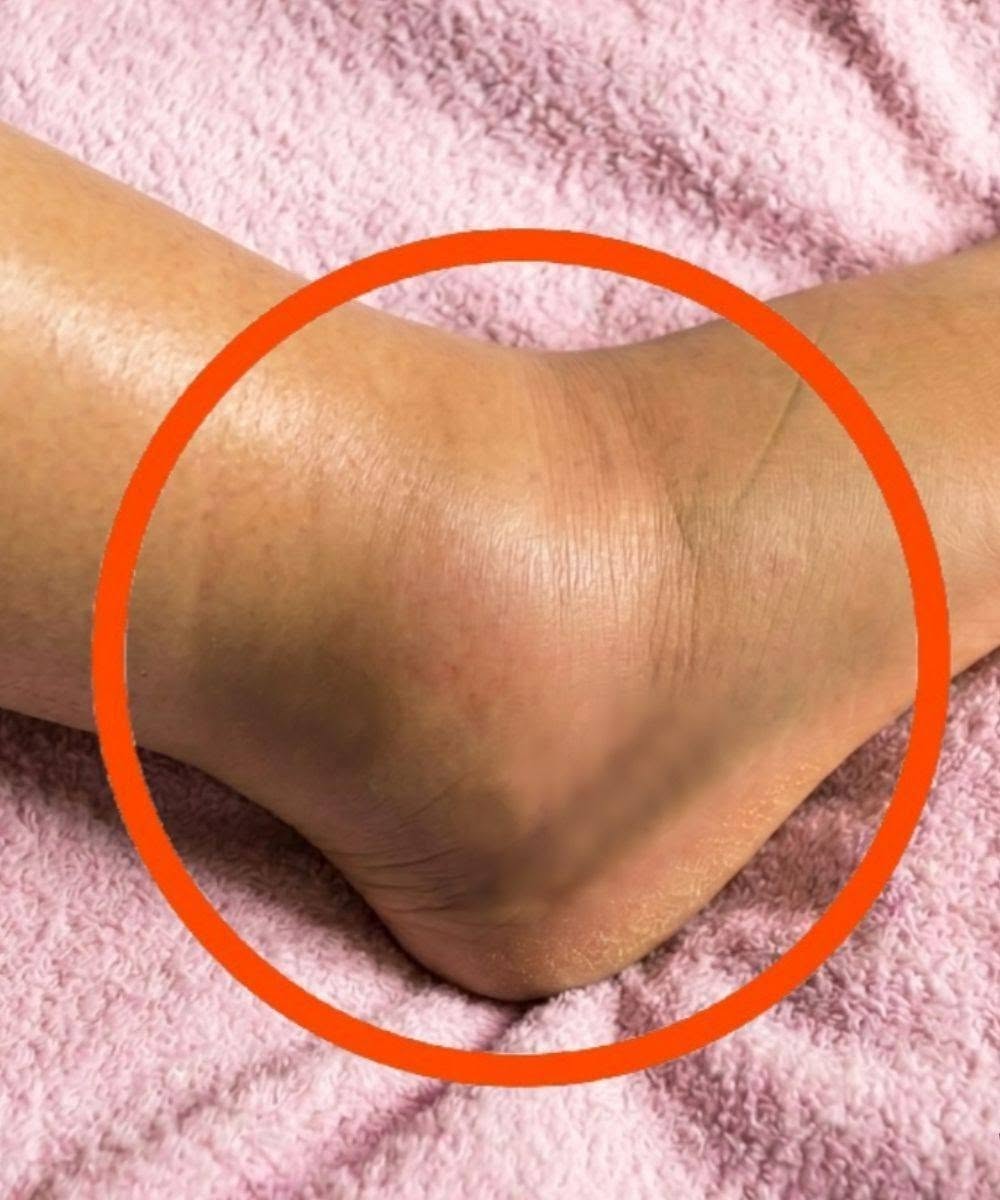
8. Lymphedema: When the Lymphatic System Cannot Drain Fluid Properly
Not all leg swelling comes from problems with veins or the heart. Sometimes, the underlying issue involves the lymphatic system.
The lymphatic system is a network of vessels and lymph nodes that helps return excess fluid from tissues to the bloodstream. It also plays an important role in immune function.
When this drainage system is damaged, blocked, or unable to function adequately, fluid rich in proteins can accumulate in the tissues. This condition is called lymphedema.
Lymphedema can affect one or both legs. Early symptoms may include swelling around the feet or ankles, a feeling of heaviness, and tightness in the skin. In the beginning, swelling may improve with elevation. As the condition progresses, however, it may become more persistent and the tissues may grow firmer.
Possible causes include:
Damage to lymph nodes during cancer surgery.
Radiation treatment affecting lymphatic vessels.
Certain infections.
Congenital abnormalities of the lymphatic system.
Other conditions that interfere with lymphatic drainage.
In some cases, no clear cause is identified.
Lymphedema requires a different approach from ordinary fluid retention. Treatment may include specialized compression garments, skin care, exercise, and manual lymphatic drainage performed by appropriately trained professionals.
Protecting the skin is especially important because chronic swelling can increase the risk of skin infections. Even small cuts, cracks, or insect bites should be cleaned and monitored carefully.
If one foot or leg gradually becomes larger than the other, particularly after lymph-node surgery or cancer treatment, medical assessment can help identify the cause and guide treatment.
9. Medication Side Effects Can Cause Swollen Legs
Sometimes, the explanation for swollen ankles is not a new disease but a medication.
Several commonly prescribed medicines can contribute to fluid retention or alter circulation. This possibility is easy to overlook because swelling may develop gradually after a medication is started or its dose is increased.
Examples include:
Certain blood pressure medicines: Calcium-channel blockers, such as amlodipine, can cause swelling around the ankles in some people. This occurs partly because of changes in pressure within small blood vessels and does not necessarily mean that the heart or kidneys are failing.
Nonsteroidal anti-inflammatory drugs: Medicines such as ibuprofen and naproxen can cause the body to retain sodium and water in some circumstances. They may also worsen kidney function in susceptible individuals.
Corticosteroids: Some steroid medicines can contribute to fluid retention, depending on the medication, dose, and duration of use.
Hormonal medications: Certain estrogen-containing treatments and other hormonal medicines may contribute to swelling or increase the risk of blood clots, depending on the specific medication and individual risk factors.
Some diabetes medicines: Certain drugs, including thiazolidinediones, can cause fluid retention and may worsen heart failure in susceptible people.
Other medications may also contribute, depending on the circumstances.
If swelling begins after starting a new medicine, make a note of when the symptoms appeared and discuss the timing with your healthcare professional or pharmacist.
Do not stop a prescribed medicine abruptly or change the dose on your own. A clinician may be able to adjust the treatment, change the medication, or investigate another cause.
Medication-related swelling should not automatically be assumed to be harmless. New or rapidly worsening swelling still requires appropriate assessment, particularly if breathing difficulties or other warning signs develop.
10. Pregnancy and Swollen Legs