- and Ethnic Factors
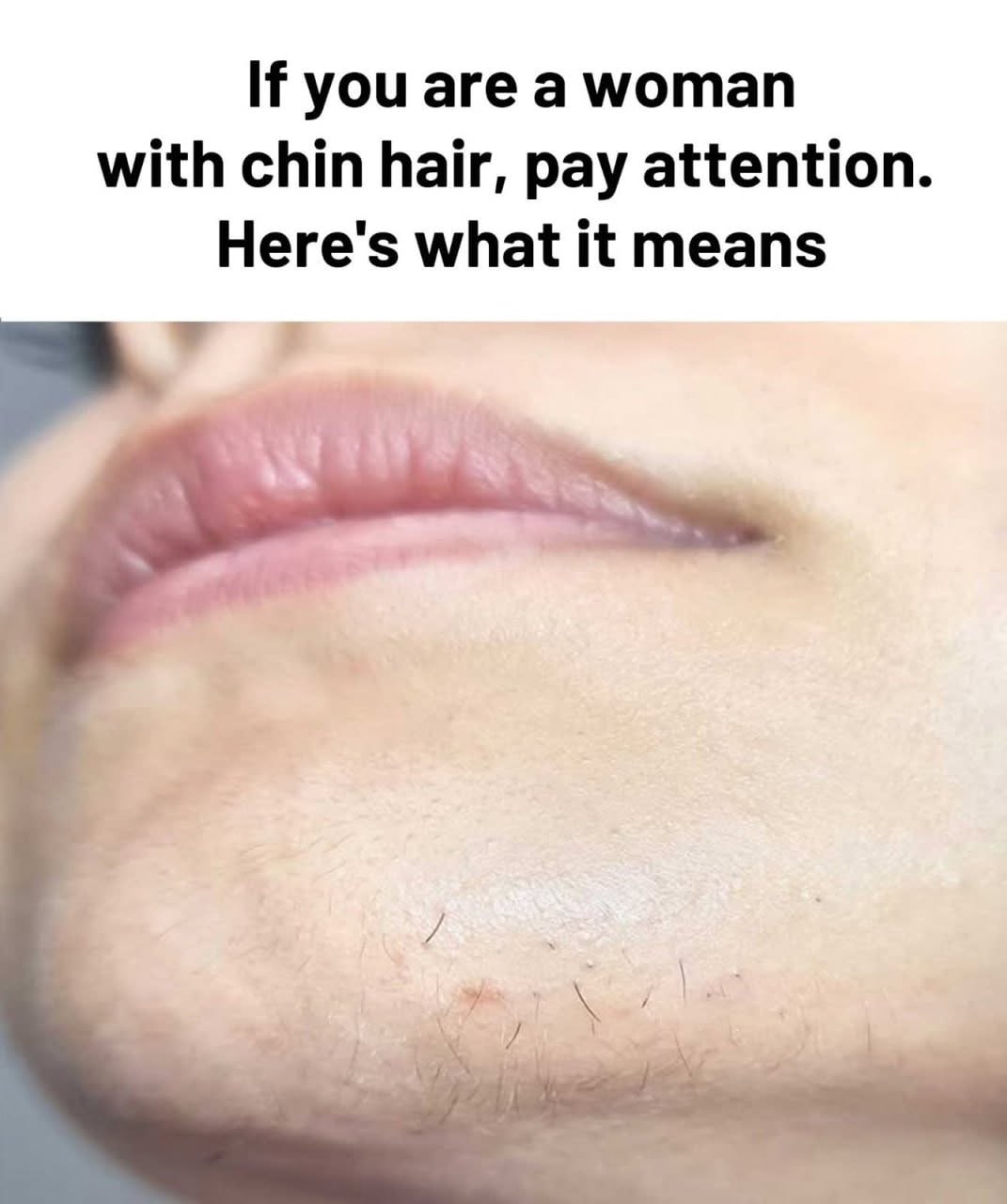
Facial and body hair patterns vary considerably among individuals and populations. Some women naturally have more terminal facial hair because of genetic and familial factors, without having an underlying hormonal disorder. Ethnic background can also influence hair density and distribution.
When to Consult a Healthcare Provider
Consider seeking medical evaluation if you notice:
A rapid or progressive increase in coarse facial hair
New hair growth in several androgen-sensitive areas
Irregular or absent menstrual periods
Significant or persistent acne, particularly when accompanied by other symptoms of androgen excess
Scalp hair thinning or increased hair loss
Unexplained changes in weight or other metabolic symptoms
Darkened, thickened skin in body folds, such as the neck or armpits
A possible medication-related change in hair growth
Other signs of androgen excess, such as a deepening voice or increased muscle mass
Rapidly developing or pronounced symptoms of androgen excess should be assessed promptly,