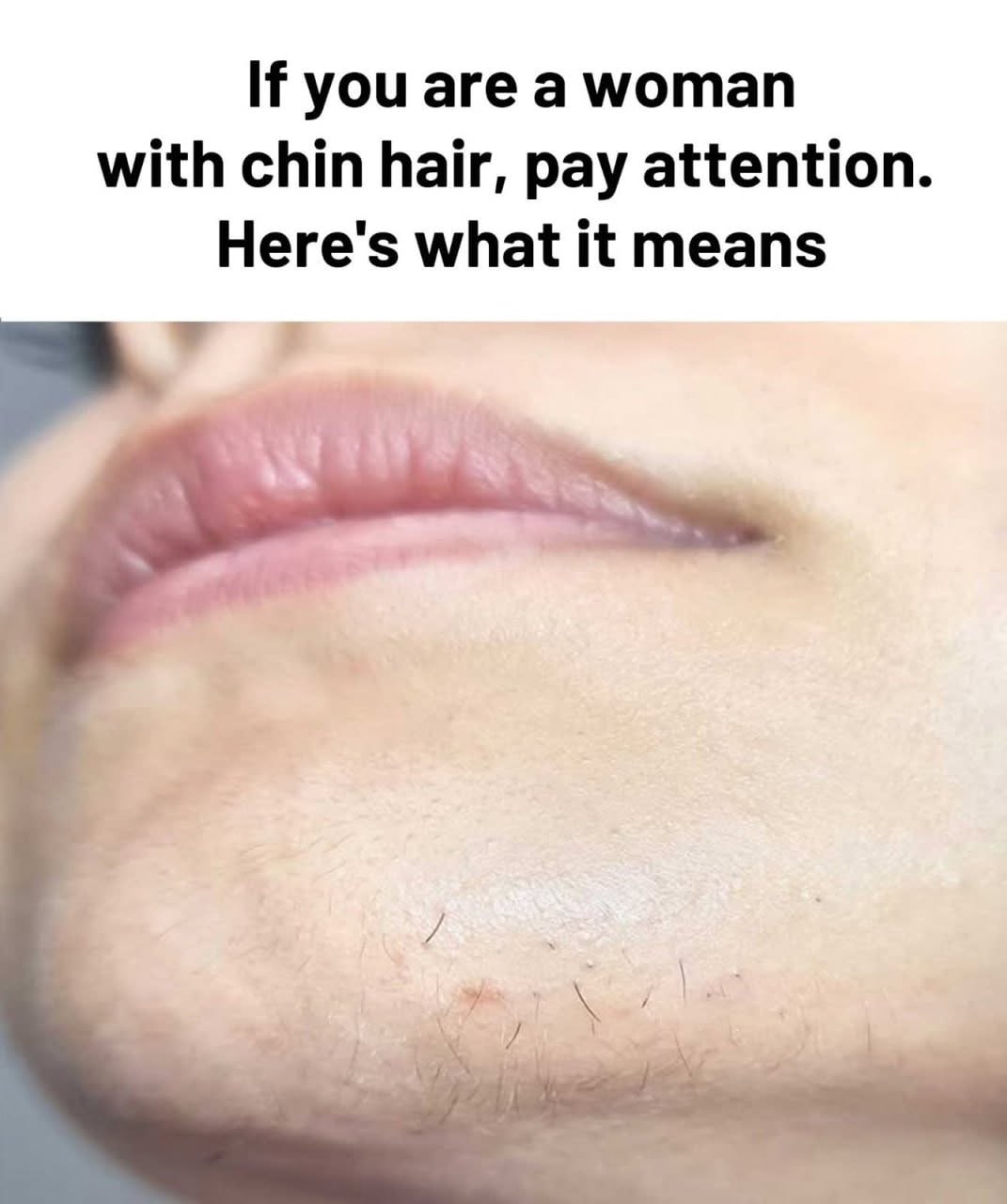
as they can occasionally indicate a condition requiring medical treatment.
What Evaluation May Involve
Depending on your symptoms, medical history, age, and menstrual pattern, a healthcare professional may consider:
Total and/or free testosterone
DHEA-S
Thyroid-stimulating hormone (TSH), with additional thyroid testing when indicated
Other hormone tests when clinically appropriate
Glucose or HbA1c and lipid testing when metabolic concerns are present
Pelvic ultrasound when PCOS or an ovarian condition is suspected
Not everyone with facial hair growth needs an extensive hormone panel. Testing should be guided by the clinical history and examination.
Management Approaches
Medical Treatment
Treatment depends on the underlying cause and may include:
Treating an identified hormonal or metabolic disorder
Combined oral contraceptives for appropriate patients with androgen-related symptoms
Anti-androgen medications, such as spironolactone, when medically appropriate and prescribed with appropriate monitoring
Topical eflornithine, a prescription treatment that can slow the growth of unwanted facial hair
Other treatments