ms. It is to gather useful information so that you can make better decisions about skincare and know when professional help is appropriate.
4. Could It Be Rosacea?
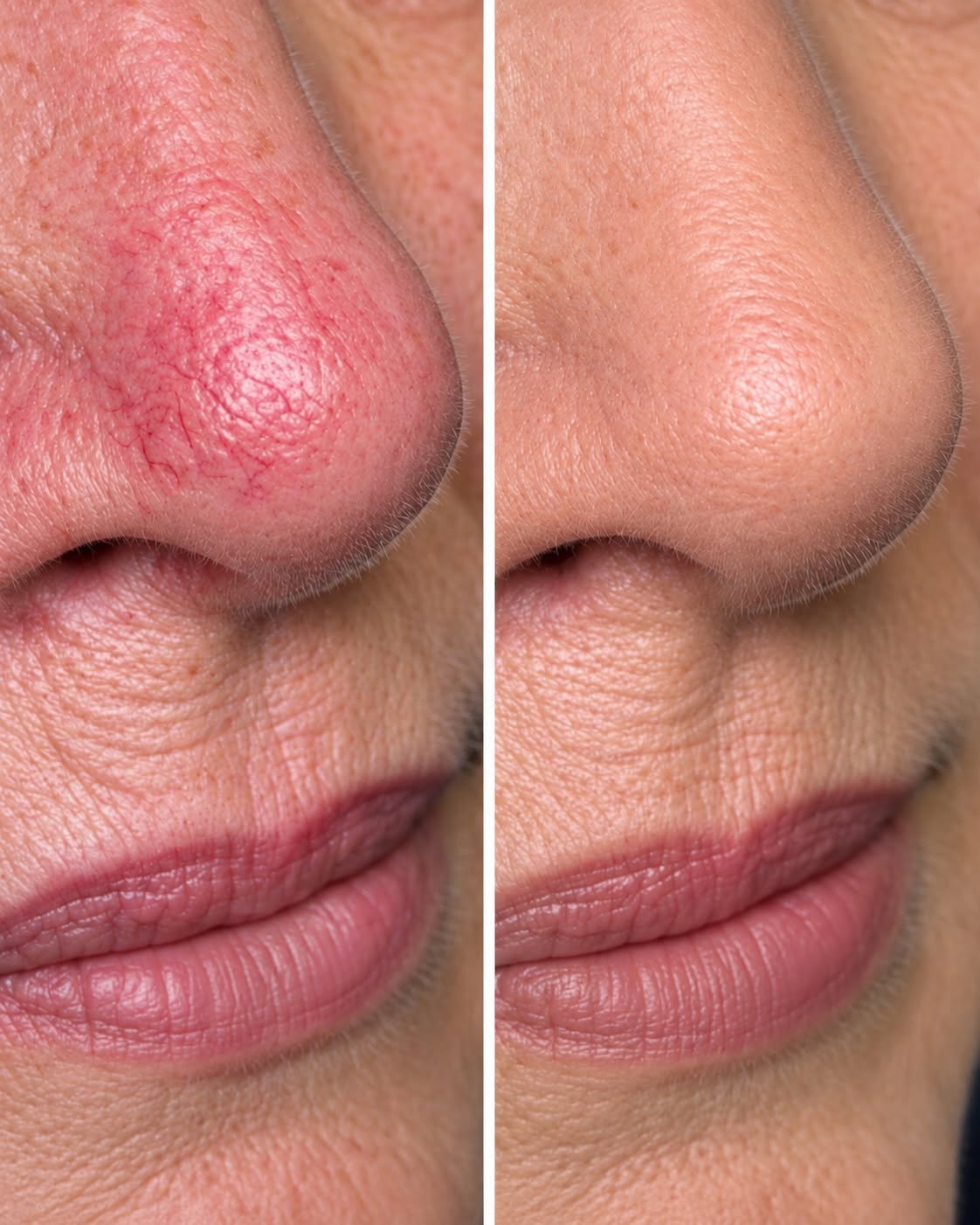
Rosacea is a chronic inflammatory skin condition that commonly affects the central face, including the cheeks, nose, forehead, and chin. It can cause recurring flushing, persistent redness, visible superficial blood vessels, and, in some people, inflammatory bumps that resemble acne.
Not everyone with rosacea experiences the same symptoms. One person may mainly notice redness and flushing, while another may develop bumps, burning, sensitivity, or eye discomfort. Symptoms can fluctuate, with periods when the skin appears relatively calm followed by flare-ups.
The condition is often influenced by individual triggers. Sunlight, heat, hot drinks, alcohol, spicy foods, strenuous exercise, and emotional stress can provoke flushing in some people. However, triggers differ, and not everyone needs to avoid the same things.
Rosacea is not simply a result of poor hygiene, and it cannot be reliably treated by scrubbing the skin more thoroughly. In fact, aggressive cleansing and exfoliation can make sensitive facial skin more uncomfortable.
If you suspect rosacea, consider arranging an appointment with a dermatologist. Treatment depends on the symptoms and may include prescription topical medication, oral medication in selected cases, or procedures such as vascular laser or intense pulsed light for certain visible vessels and persistent redness.
The important point is that rosacea is manageable, but the best treatment depends on the particular symptoms. A product advertised as a universal redness cure is unlikely to suit everyone.
A gentle routine can still be useful while you seek advice. Use a mild cleanser, a moisturizer that does not sting, and broad-spectrum sunscreen. Avoid introducing several active ingredients at once, and pause products that consistently cause burning or worsening redness.
If you have eye pain, significant light sensitivity, blurred vision, or a sudden change in vision, do not treat it as an ordinary skincare problem. Seek prompt medical attention.
5. When the Problem Is a Damaged Skin Barrier
The skin barrier is the outermost protective layer of the skin. It helps retain moisture and reduces the entry of irritants. When the barrier is functioning well, skin often feels comfortable and relatively resilient. When it becomes disrupted, the skin can feel tight, dry, rough, or unusually sensitive.
A damaged barrier may develop after overusing exfoliating acids, retinoids, scrubs, or strong cleansing products. Cold weather, low humidity, frequent washing, and certain skin conditions can contribute too.
One common mistake is trying to correct redness by adding more treatments. A person may begin with a small red patch, purchase a strong exfoliant to smooth the skin, and then add a brightening serum when the patch becomes more noticeable. If the products irritate the skin, the redness may worsen, leading to still more products.
A temporary return to a simpler routine can help break that cycle.
For a short period, focus on a gentle cleanser, a plain moisturizer, and sunscreen during the day. Avoid unnecessary scrubs, peels, and strong active ingredients until the skin feels comfortable again. If even basic products cause significant stinging, or if the irritation is severe, seek professional advice rather than continuing to experiment.
Look for moisturizers that help support the skin barrier. Ingredients such as glycerin, ceramides, and hyaluronic acid can help with hydration, although the best formulation depends on individual tolerance. A product does not need to contain dozens of ingredients to be effective.
Avoid assuming that a burning sensation means a product is working. Mild tingling can occur with some formulations, but persistent burning, swelling, itching, or worsening redness is a reason to stop using the product and reassess.
A damaged barrier may improve with time and a gentler routine, but the underlying cause still matters. If the redness is caused by rosacea, seborrheic dermatitis, or a visible blood vessel, moisturizing alone may not resolve it completely.
6. The Makeup Trick That Can Make Redness Less Noticeable
If your main concern is how redness looks under makeup, color correction can be helpful. The basic idea is simple: green sits opposite red on the traditional color wheel, so a small amount of green-tinted corrector can visually neutralize some redness before foundation is applied.
The key is to use a light hand. A thick layer of green product can leave the skin looking gray, pale, or unnatural. Start with a tiny amount applied only to the red areas, then blend the edges carefully so that the color does not form a visible patch.
A practical routine might look like this: