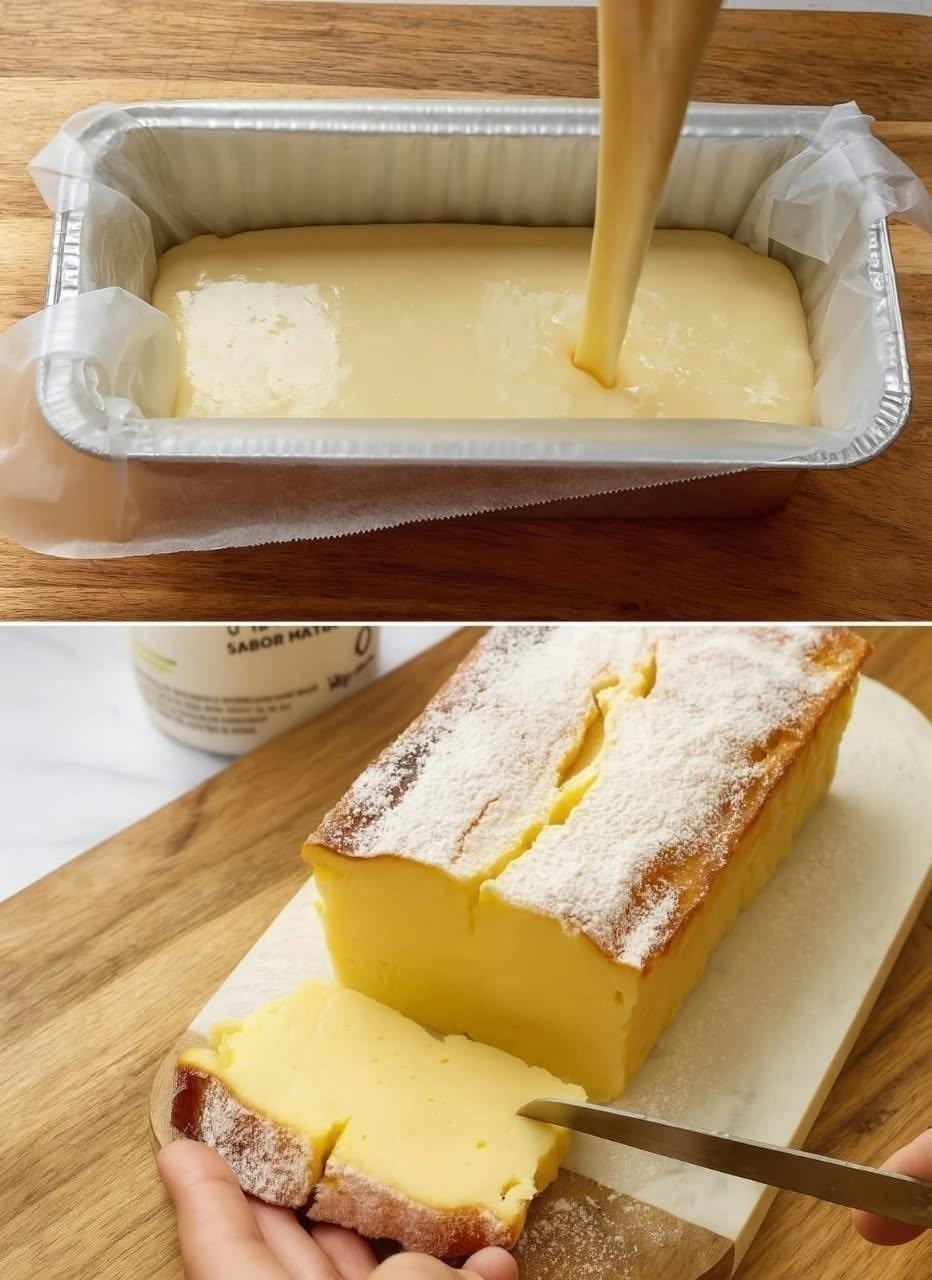
If you love cake but want something lighter than a traditional butter-heavy dessert, this Low-Calorie Greek Yogurt Cake is an excellent choice. It has a soft crumb, gentle sweetness, and pleasant tang from Greek yogurt. Instead of depending on large amounts of butter or oil for moisture, this recipe uses thick Greek yogurt to create a tender texture while keeping the cake relatively light.
This recipe is written from scratch in original wording, so you can use it as a foundation for your own food blog, recipe collection, or cooking project. You can also customize the flavors with lemon, orange, cinnamon, berries, or cocoa.
1. Why Greek Yogurt Works So Well in Cake
Greek yogurt is one of the most useful ingredients in lighter baking. It is naturally thick and creamy, which allows it to add moisture without requiring a large quantity of butter or oil.
Its mild acidity also works nicely with baking soda and baking powder. During baking, these ingredients help create tiny air pockets that give the cake a soft and tender texture.
Greek yogurt also contributes protein and gives the finished cake a subtle tang. That tang can make the sweetness taste brighter, meaning the cake does not need to be excessively sweet to be enjoyable.
For the best result, choose plain, thick Greek yogurt rather than a thin drinking-style yogurt.
2. Ingredients
Cake Ingredients
1 cup (240 g) plain Greek yogurt
2 large eggs, preferably at room temperature
1/2 cup (100 g) granulated sugar
2 tablespoons (30 ml) neutral oil
1 teaspoon vanilla extract
1 1/2 cups (190 g) all-purpose flour
1 1/2 teaspoons baking powder
1/2 teaspoon baking soda
1/4 teaspoon salt
Optional Flavor Additions
1 tablespoon lemon zest for a fresh citrus flavor
1/2 teaspoon cinnamon for a warm, comforting taste
1 tablespoon unsweetened cocoa powder for a chocolate version
1/2 cup fresh or frozen berries for a fruity variation
Optional Toppings
A small amount of powdered sugar
Fresh strawberries, blueberries, or raspberries
A spoonful of plain Greek yogurt
A little lemon zest
3. Prepare the Oven and Pan
Begin by preheating your oven to 180°C (350°F).
Use an approximately 8-inch (20 cm) round cake pan. Lightly grease the pan and place a piece of parchment paper on the bottom. The parchment makes removing the finished cake much easier.
Allow the oven to fully preheat before placing the cake inside. A properly heated oven helps the leavening ingredients begin working at the correct stage of baking.
4. Mix the Wet Ingredients
Add the Greek yogurt to a large bowl.
Crack in the two eggs and whisk until the mixture looks smooth. Add the sugar and continue whisking for approximately 1–2 minutes.
Next, add the oil and vanilla extract. Stir until everything is evenly combined.
The mixture should look creamy and uniform. There is no need to beat it for a long time. Excessive mixing at this stage does not provide a major advantage and can make it easier to overwork the batter later.
If you are preparing the lemon version, add the lemon zest now.
5. Combine the Dry Ingredients
Place the flour, baking powder, baking soda, and salt into a second bowl.
Whisk the dry ingredients together for about 30 seconds. This distributes the leavening agents throughout the flour so they can work more evenly during baking.
If you are making the chocolate variation, replace approximately 1 tablespoon of flour with 1 tablespoon of unsweetened cocoa powder.
6. Bring the Batter Together
Please go to the next page or click the “Open” button (>) to complete the cooking steps and don’t forget to SHARE it with your Facebook friends.