Flavor differences can arise from the flower source, processing, storage, age, and other factors.
Taste can help you decide whether you enjoy a particular honey.
It cannot substitute for analytical testing.
What Actually Provides Stronger Evidence?
When authenticity truly matters—for example, in commercial food production, regulatory inspection, or scientific research—laboratory analysis is the appropriate tool.
Professional testing can investigate the chemical composition of honey and identify patterns that may suggest adulteration.
The exact method depends on the question being asked and the type of adulteration suspected.
This is why a simple home test should never be presented as definitive proof.
At-home experiments can be entertaining and educational.
They are not equivalent to food-authentication testing.
The Bigger Lesson About Viral Food Tests
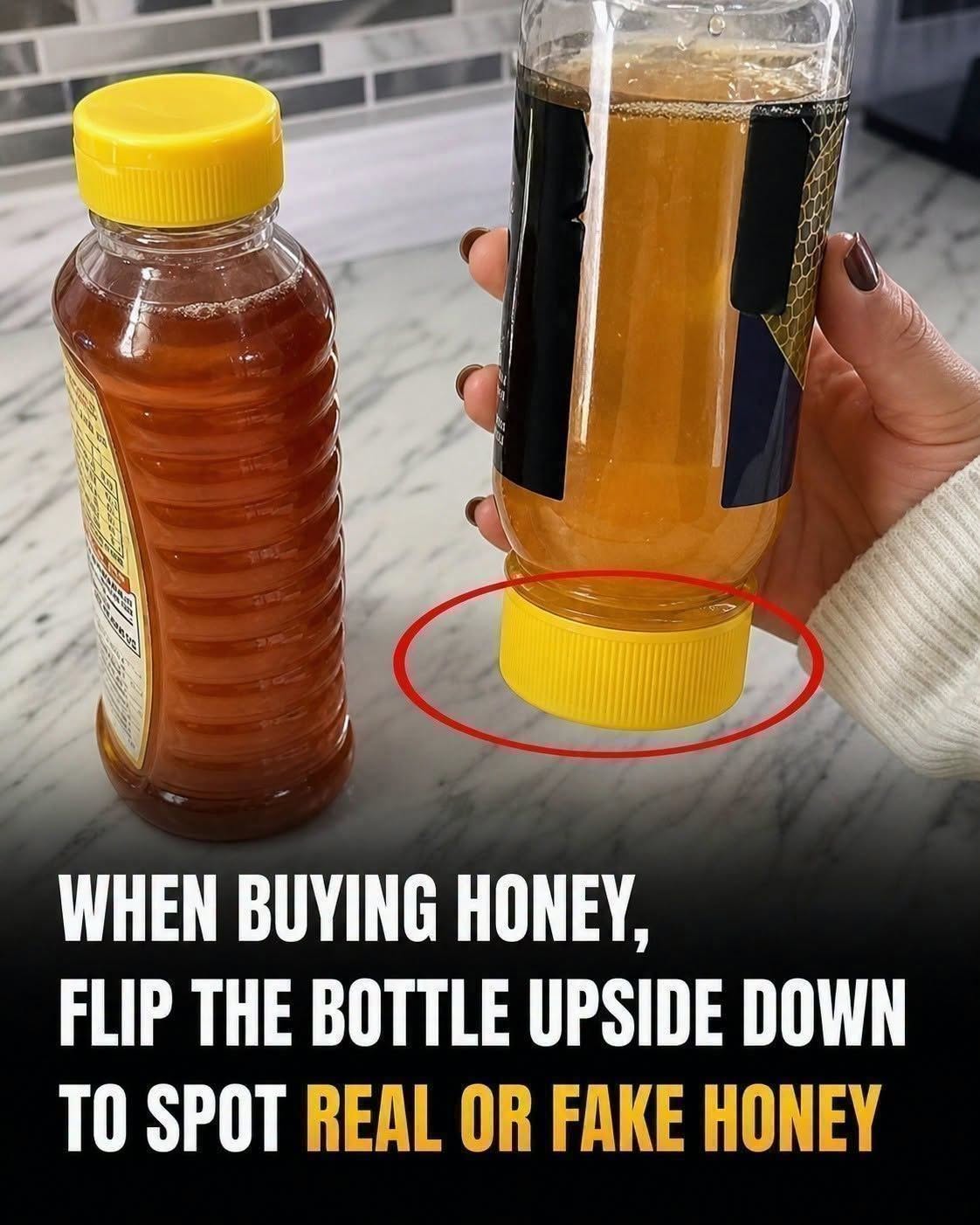
The honey bottle trick is part of a much larger trend.