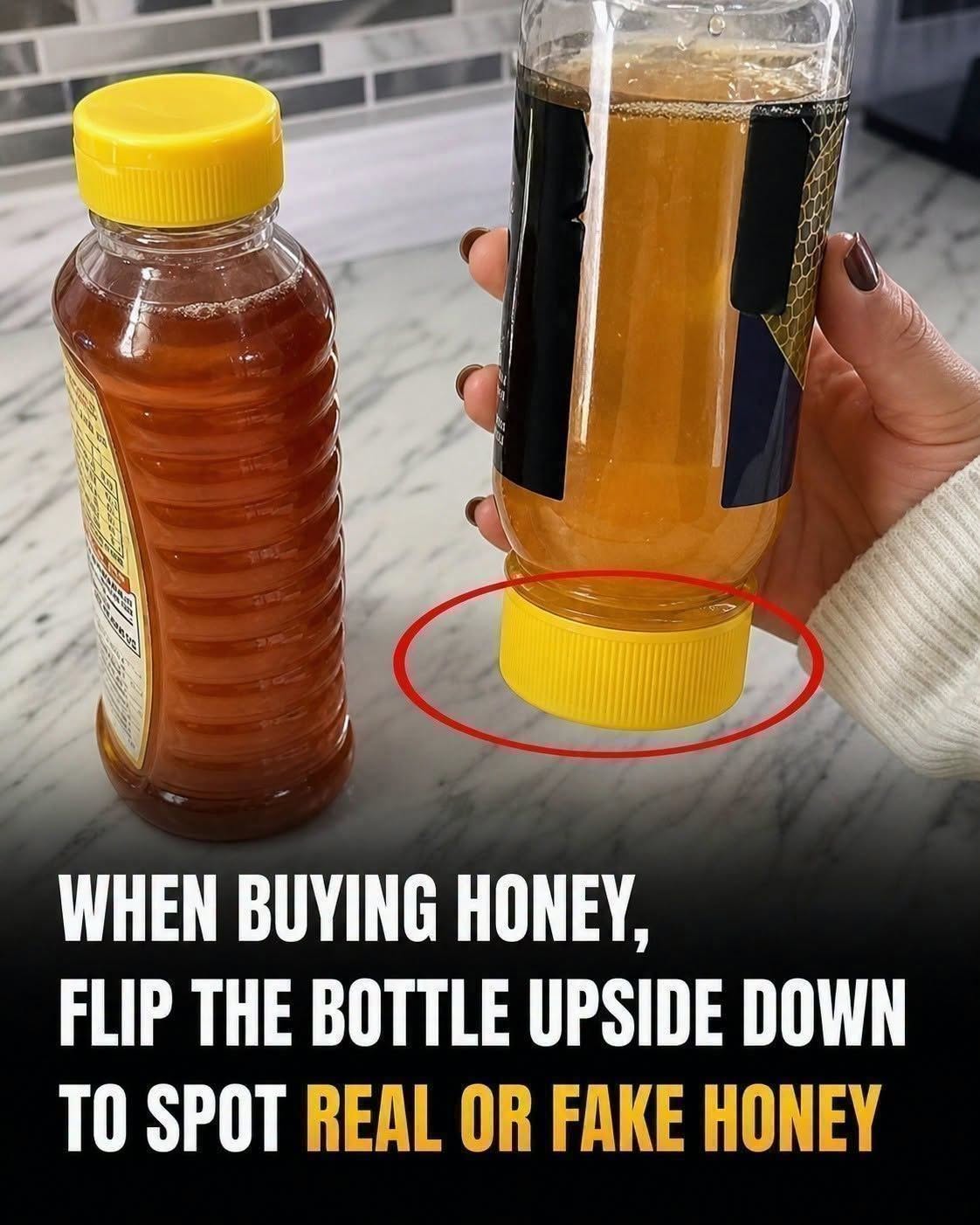
If the product is sold simply as honey, you should expect honey to be the listed ingredient rather than a mixture containing additional syrups or sweeteners.
Be cautious when labels are unclear or make unusual claims that cannot easily be verified.
You can also consider buying from producers with transparent sourcing information and established reputations.
Local beekeepers, reputable honey producers, and suppliers who clearly identify the origin of their honey can provide more information than a mysterious product with limited labeling.
“Raw,” “Natural,” and “Pure” Are Not Magic Words
Marketing language can also create confusion.
Words such as “natural,” “pure,” “raw,” and “premium” can sound reassuring, but consumers should still evaluate the product as a whole.
“Natural” does not automatically mean that a product has been independently verified.
“Raw” refers to how honey is handled or processed, but it is not itself a universal guarantee of authenticity.
“Pure” is also a claim that should be considered in the context of labeling standards and applicable regulations.
Rather than relying on one word printed on the front of a bottle, look at the ingredient list, producer information, origin, and overall labeling.
Taste Is Not a Reliable Laboratory Test Either
Some people believe they can identify pure honey simply by tasting it.
Continued on next page 👇(page 4)👇
associated with particular floral sources, but taste alone cannot reliably establish whether a commercial honey has been adulterated.
A sweet syrup can also taste sweet.