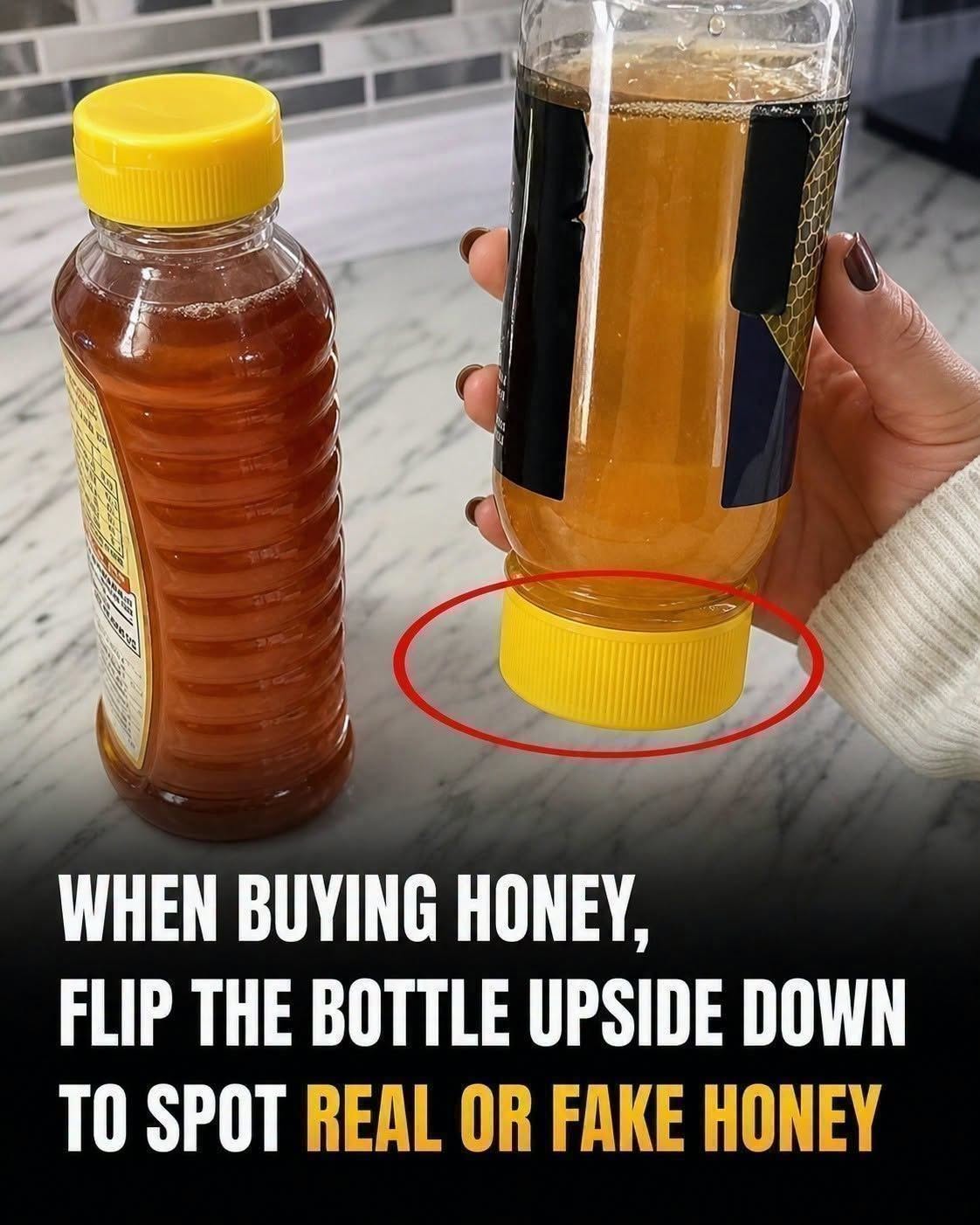
Social media is full of simple tests that supposedly reveal whether food is “real,” “fake,” “toxic,” “healthy,” or “dangerous.”
Some are based on legitimate scientific concepts.
The problem is that a real scientific concept can be turned into an incorrect conclusion.
Viscosity is real.
Crystallization is real.
Density is real.
Chemical reactions are real.
But observing one physical property does not necessarily allow you to determine the entire composition of a food.
That is the critical mistake behind many viral food tests.
A Simple Test Can Be Fun Without Being Proof