Special Considerations for Children
Children should not simply use an adult seat belt because the shoulder anchor can move lower.
A child needs a restraint appropriate for age, height, weight, development, and applicable local requirements.
A booster seat, for example, helps position the vehicle’s lap-and-shoulder belt correctly on a child who has outgrown a harnessed seat but does not yet fit the adult belt properly.
Generally, an adult belt should fit with the lap portion low across the upper thighs or hips and the shoulder portion across the chest and shoulder. The child should also maintain an appropriate seated position throughout the trip.
Do not route the shoulder belt behind a child because it touches the neck. Likewise, do not place it under the child’s arm.
Instead, determine whether the child still needs a booster or whether another approved seating arrangement provides a better fit.
Additionally, children should ride in the rear seating positions according to applicable child-passenger safety recommendations and vehicle instructions.
Every child restraint also comes with specific installation and usage requirements. Therefore, follow both the child-seat instructions and vehicle owner’s manual.
When questions remain, a certified child-passenger safety technician can provide hands-on assistance.
Frequently Asked Questions
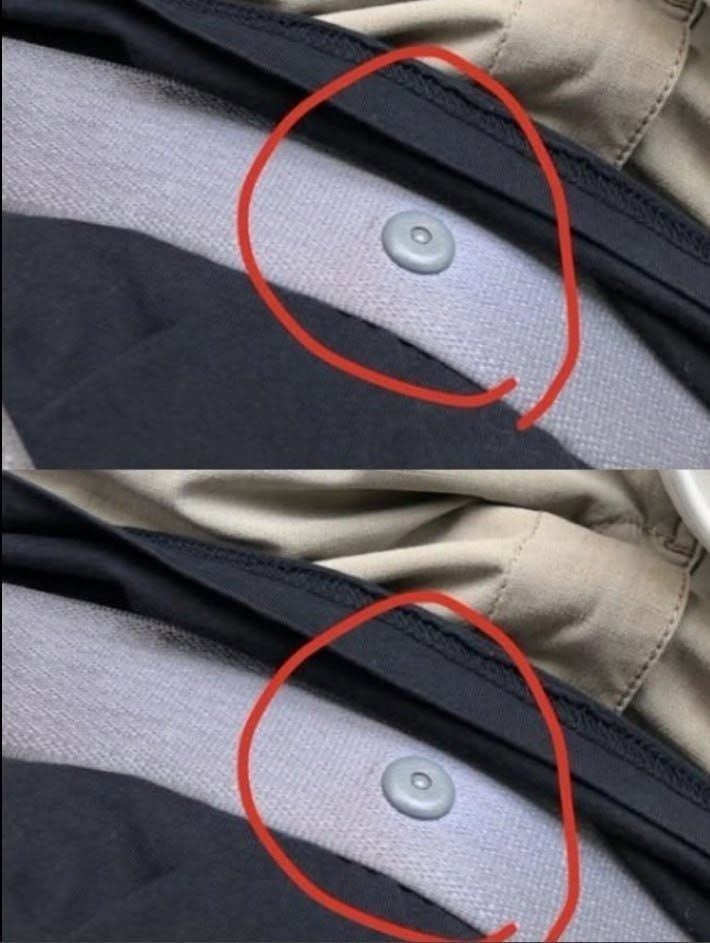
What is the little plastic button directly on seat-belt webbing?
It commonly acts as a stop that prevents the sliding latch plate from dropping too far along the belt when nobody uses it. Despite its appearance, it generally does not function as a control you need to press.
Is the seat-belt height adjuster a safety feature?
It contributes to proper belt positioning by allowing the upper anchorage to accommodate different occupants. However, adjustment designs vary by vehicle, so follow your owner’s manual.
Should the shoulder belt touch my neck?
The shoulder portion should ideally cross the middle of your chest and shoulder rather than your neck or face. If the position feels wrong, use approved seat and anchor adjustments instead of putting the belt behind your back or under your arm.
Can I use a clip to make my seat belt less tight?
Avoid devices or modifications that introduce unnecessary slack or interfere with the belt unless the vehicle manufacturer specifically approves them. Instead, check the seat position, manufacturer-provided adjustments, and owner’s manual.
What should I do if part of my seat belt breaks?
Stop experimenting with the damaged component and arrange appropriate inspection or repair. Seat belts form part of the vehicle’s safety system, so use manufacturer-approved parts and procedures rather than improvised fixes.
Conclusion
That “Button” on Your Seat Belt probably has a much less mysterious purpose than viral posts suggest.
If you see a movable mechanism on the B-pillar near your shoulder, it may control the height of the upper seat-belt anchor. If you see a tiny plastic piece attached directly to the webbing, it may simply prevent the latch plate from sliding too far down the belt.
Neither explanation involves a secret emergency trick.
More importantly, never modify, cut, clamp, puncture, or deliberately loosen a seat belt based on an online claim. Proper restraint depends on the belt sitting snugly across strong areas of the body and working exactly as its manufacturer designed it to work.
When an unfamiliar component causes confusion, check the vehicle owner’s manual. That simple step provides model-specific information and removes the guesswork.
The humble plastic “button” may attract attention online, but the genuinely important feature remains the entire restraint system—and using it correctly every time you get in the car.