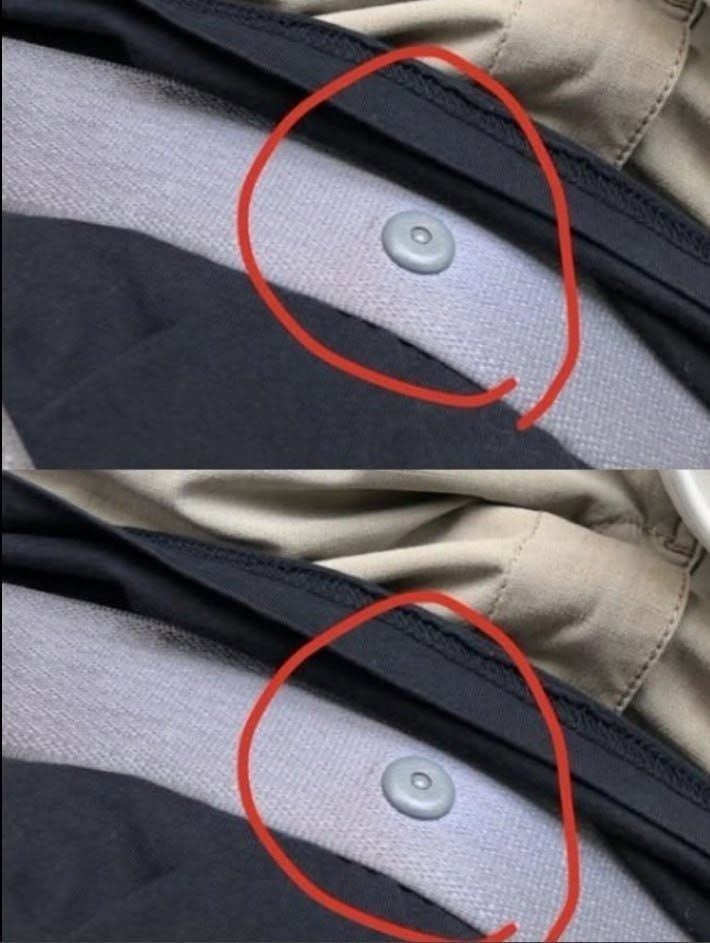
That explanation can confuse several different components.
The ordinary buckle already contains the mechanism designed for releasing a buckled seat belt during normal operation. Meanwhile, the height adjuster changes the upper anchorage position, and the small plastic stop on the webbing commonly keeps the latch plate from sliding too far.
Neither should become a substitute for understanding the actual buckle.
Another myth claims that manipulating the belt can make a collision safer by creating extra slack.
Do not intentionally loosen a seat belt for that reason.
Seat belts work best when occupants wear them snugly and position them properly. Extra slack allows more movement before the restraint can manage the occupant’s motion.
Likewise, never use clips or other objects to prevent the belt from fitting correctly simply because a looser belt feels more comfortable.
Another dangerous idea involves placing the shoulder portion behind the body. While that position removes pressure from the shoulder, it also eliminates the intended upper-body restraint.
Similarly, routing the shoulder portion under the arm changes where forces act during a collision.
Comfort matters during everyday driving. However, you should achieve comfort through manufacturer-provided adjustments rather than defeating the restraint.
Myth: Seat Belts Trap People More Than They Save Them
Some people avoid seat belts because they fear becoming trapped after a collision.
That fear can feel intuitive, especially after seeing dramatic stories involving fires or submerged vehicles. However, those unusual scenarios should not determine everyday restraint use.
During a collision, remaining properly restrained can reduce the chance that an occupant gets thrown around the passenger compartment or ejected from the vehicle.
Additionally, remaining conscious and less seriously injured can improve a person’s ability to respond after a crash.
Another misconception suggests that airbags make seat belts unnecessary.
They do not.
Vehicle manufacturers design supplemental restraint systems to work alongside seat belts rather than replace them. Therefore, occupants should wear seat belts even in vehicles equipped with multiple airbags.
You may also hear that a short trip does not justify buckling up. Yet collision risk does not disappear simply because the destination sits nearby.
Consequently, make buckling automatic before the vehicle moves.
The simplest rule avoids complicated calculations: every appropriate occupant uses the correct restraint on every trip.
Using Seat Belts Correctly Every Day
A Simple Fit Check Before Driving
You do not need mechanical expertise to check basic seat-belt fit.
Start by sitting upright in the seat. Then buckle the latch plate into the correct buckle and allow the belt to settle naturally.
Check the lap portion first. It should sit low and snug across the hips.
Next, inspect the shoulder portion. It should cross your chest and shoulder rather than your face, neck, upper arm, or back.
If That “Button” on Your Seat Belt controls an adjustable upper anchor, use the manufacturer’s instructions to reposition the anchor when necessary. Afterward, verify that the mechanism locks securely.
Also, inspect the webbing occasionally.
Look for obvious cuts, significant fraying, melted areas, contamination, or other visible damage. If you notice a problem, arrange a professional inspection rather than attempting a home repair.
Similarly, pay attention when a buckle fails to latch normally or releases unexpectedly.
Do not spray random lubricants into the buckle or dismantle the mechanism. Instead, follow manufacturer guidance.
After a significant collision, restraint components may also require inspection or replacement even when they appear normal from the outside.
Because recommendations vary among manufacturers and vehicle designs, consult the owner’s manual or manufacturer after a crash.
A few seconds of routine attention can identify obvious problems before they become bigger concerns.
For Complete Cooking STEPS Please Head On Over To Next Page Or Open button (>) and don’t forget to SHARE with your Facebook friends