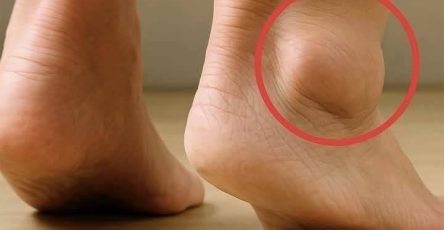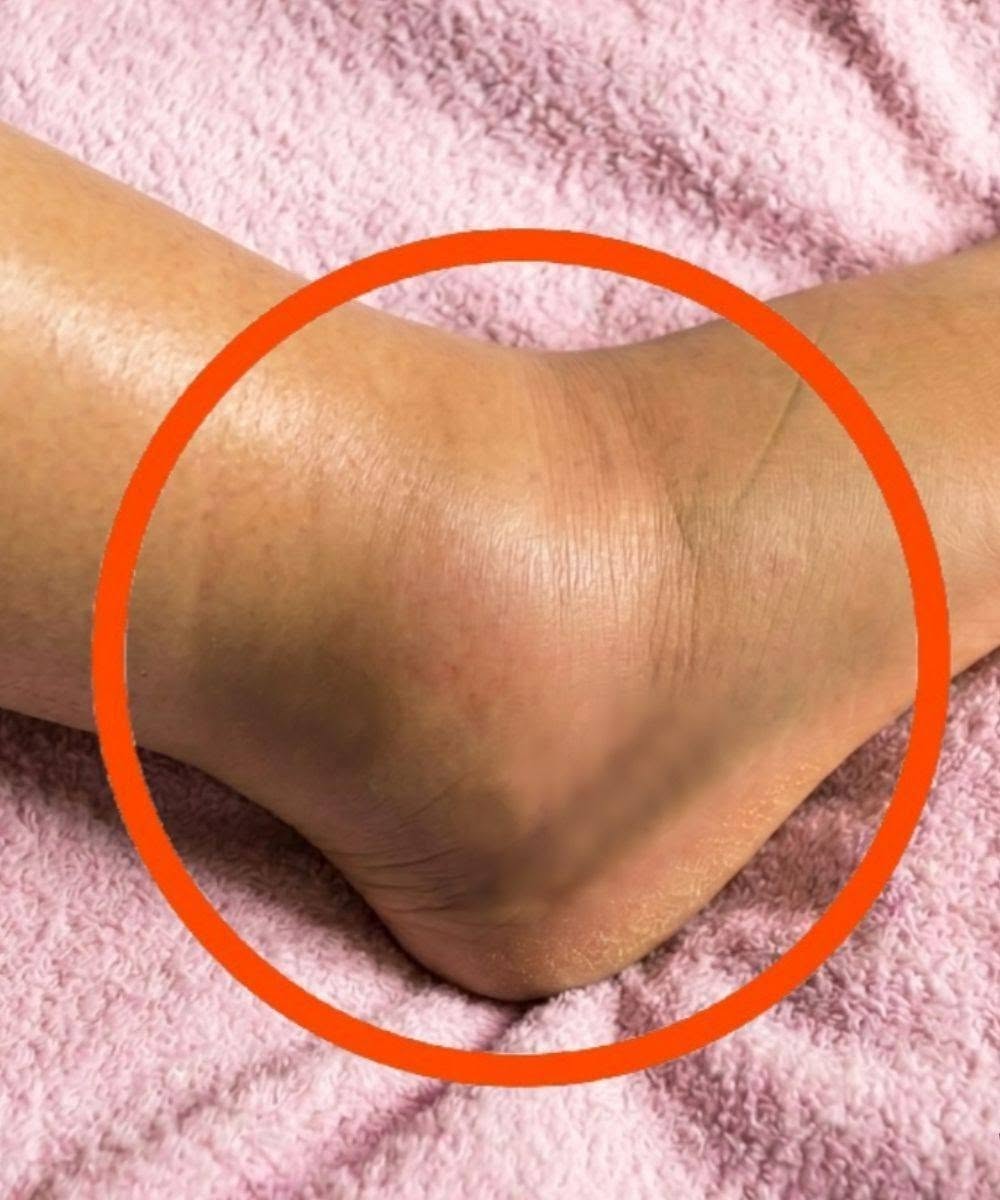
Swelling in other parts of the body.
However, early kidney disease may cause few noticeable symptoms. Some people have no obvious swelling at all.
A healthcare professional may evaluate kidney function using blood tests, urine tests, blood pressure measurements, and other investigations when necessary.
People with kidney disease should be particularly cautious about trying to treat swelling themselves. Drinking excessive amounts of water, taking diuretics without supervision, or making extreme changes to salt intake can be harmful in certain circumstances.
The appropriate fluid and sodium recommendations depend on kidney function, the cause of swelling, medications, and other health conditions.
If you have known kidney disease and notice new or worsening edema, contact your healthcare team for advice.
15. Liver Disease Can Also Cause Swollen Legs
The liver produces albumin, a protein that helps keep fluid within blood vessels. It also plays a central role in metabolism, digestion, and the processing of many substances.
Advanced liver disease can affect albumin production and increase pressure in the blood vessels that carry blood through the liver. These changes can contribute to fluid accumulation in the legs and abdomen.
Abdominal fluid buildup is called ascites.
Depending on the underlying condition, other signs may include:
Increasing abdominal size.
Yellowing of the skin or eyes.
Easy bruising.
Reduced appetite.
Unexplained fatigue.
Itching.
Changes in mental alertness in advanced disease.
These symptoms are not specific to liver disease, and some people with liver problems have few early warning signs.
Possible causes of chronic liver disease include certain viral infections, long-term harmful alcohol use, metabolic dysfunction-associated steatotic liver disease, and autoimmune or inherited conditions.
Evaluation may include blood tests, imaging, and other investigations selected according to the suspected cause.
People with liver disease should not assume that swollen legs can be managed simply by drinking less water or taking over-the-counter products. Fluid management may require careful medical supervision.
16. Deep Vein Thrombosis: A Blood Clot That Must Not Be Missed
Deep vein thrombosis, or DVT, occurs when a blood clot forms in a deep vein, usually in the leg.
The clot may obstruct blood flow, causing fluid to accumulate in the affected limb. DVT may produce swelling, pain, tenderness, warmth, or changes in skin color.
One leg may become noticeably larger than the other, although symptoms vary. Some people have very few obvious symptoms.
Risk factors include:
Recent major surgery or hospitalization.
Prolonged immobility.
Previous DVT or pulmonary embolism.
Certain cancers and cancer treatments.
Pregnancy and the period after childbirth.
Estrogen-containing medications.
Some inherited clotting disorders.
Other conditions that increase the risk of thrombosis.
A DVT is dangerous because part of the clot can break off and travel to the lungs, causing a pulmonary embolism.
Warning signs of pulmonary embolism include sudden shortness of breath, chest pain that may worsen with breathing, coughing up blood, a rapid heartbeat, or fainting.
If you have sudden swelling in one leg, especially with pain, warmth, or redness, seek urgent medical assessment. If you also develop breathing difficulty, chest pain, coughing up blood, or fainting, call your local emergency service immediately.