Avoid remaining in a cramped position for extended periods.
If you are at increased risk of blood clots because of previous thrombosis, recent surgery, cancer, pregnancy, or another medical condition, ask a healthcare professional whether additional preventive measures are appropriate during long journeys.
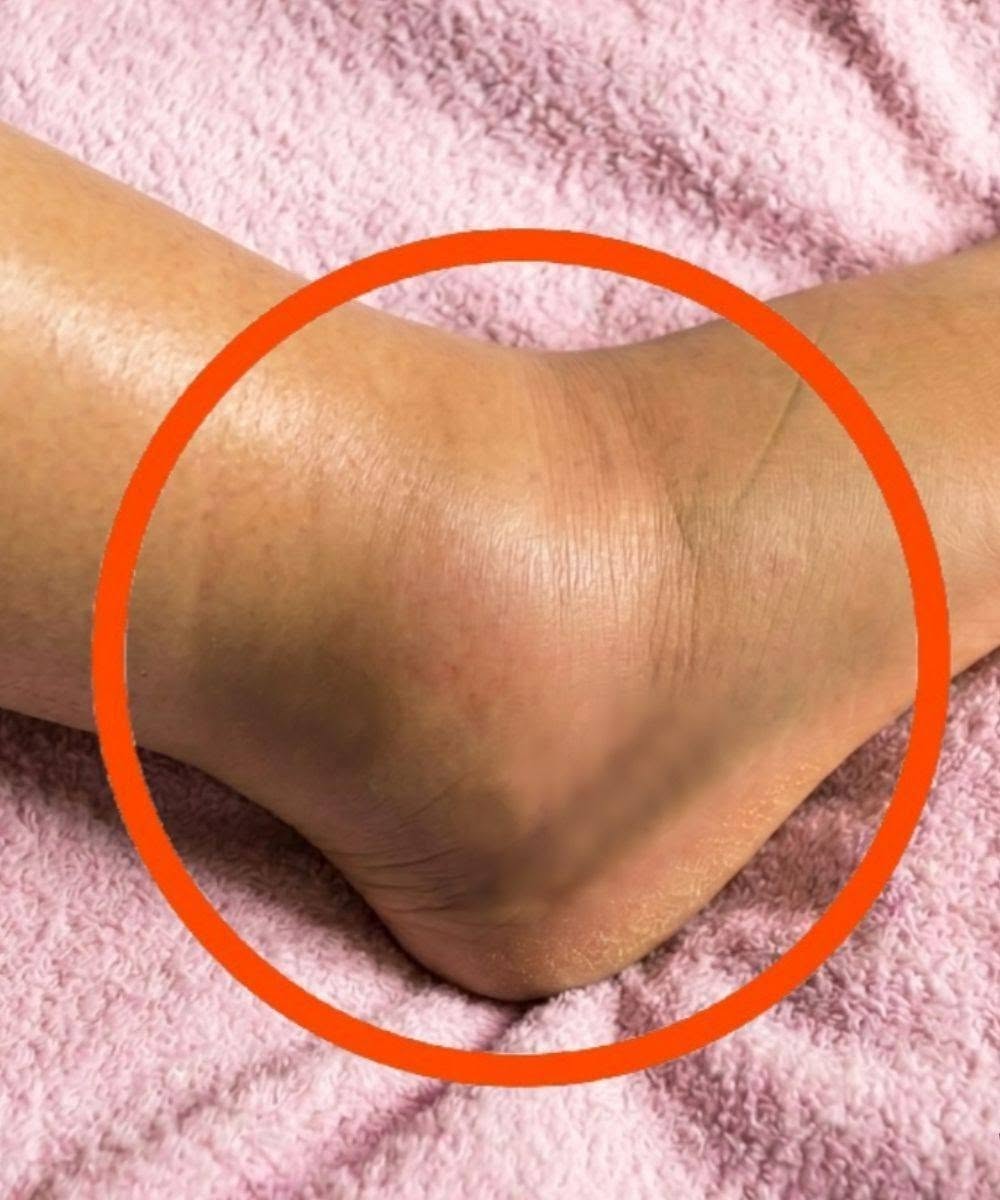
Do not assume that swelling after travel is simply the result of sitting. Sudden one-sided swelling, calf pain, or warmth requires urgent assessment.
13. Heart Failure: When Fluid Builds Up in the Body
One of the more important causes of persistent swelling in both legs is heart failure.
Heart failure does not mean that the heart has stopped working. It means that the heart cannot pump blood or fill with blood adequately enough to meet the body’s needs without increased pressure.
When pressure builds up in the circulation, fluid may move into surrounding tissues. In some people, this produces swelling in the feet, ankles, and lower legs. Fluid may also accumulate in the abdomen or lungs.
Other symptoms can include:
Shortness of breath during activity.
Difficulty breathing when lying flat.
Waking during the night feeling breathless.
Unusual fatigue or reduced exercise tolerance.
A rapid increase in body weight over a short period because of fluid retention.
Abdominal fullness or swelling.
Not everyone experiences all these symptoms. Some people develop swelling gradually, while others notice a sudden worsening.
Heart failure can have many causes, including coronary artery disease, previous heart attacks, long-standing high blood pressure, certain heart muscle diseases, and valve disorders.
Diagnosis usually involves a medical history, physical examination, blood tests, and other investigations. Depending on the situation, clinicians may order an electrocardiogram, chest imaging, or an echocardiogram to assess heart structure and function.
Treatment depends on the underlying cause and may include medications, dietary adjustments, monitoring of fluid status, and management of related conditions.
If you develop severe shortness of breath, chest pain, fainting, confusion, or blue or gray discoloration of the lips, seek emergency medical care.
New leg swelling combined with worsening breathlessness also warrants urgent medical assessment.
14. Kidney Disease and Fluid Retention
The kidneys help maintain the body’s balance of water, sodium, potassium, and other substances. They also remove waste products from the blood.
When kidney function declines, the body may retain more salt and water than it needs. This can contribute to swelling in the feet, ankles, legs, hands, or around the eyes.
Certain kidney conditions also cause the body to lose excessive amounts of protein through the urine. When blood protein levels become low, fluid may move more readily from blood vessels into surrounding tissues.
Possible accompanying symptoms include:
Puffy eyelids, especially in the morning.
Changes in how often you urinate.
Foamy urine that may indicate excess protein.
Fatigue or reduced appetite.
Nausea.
High blood pressure.