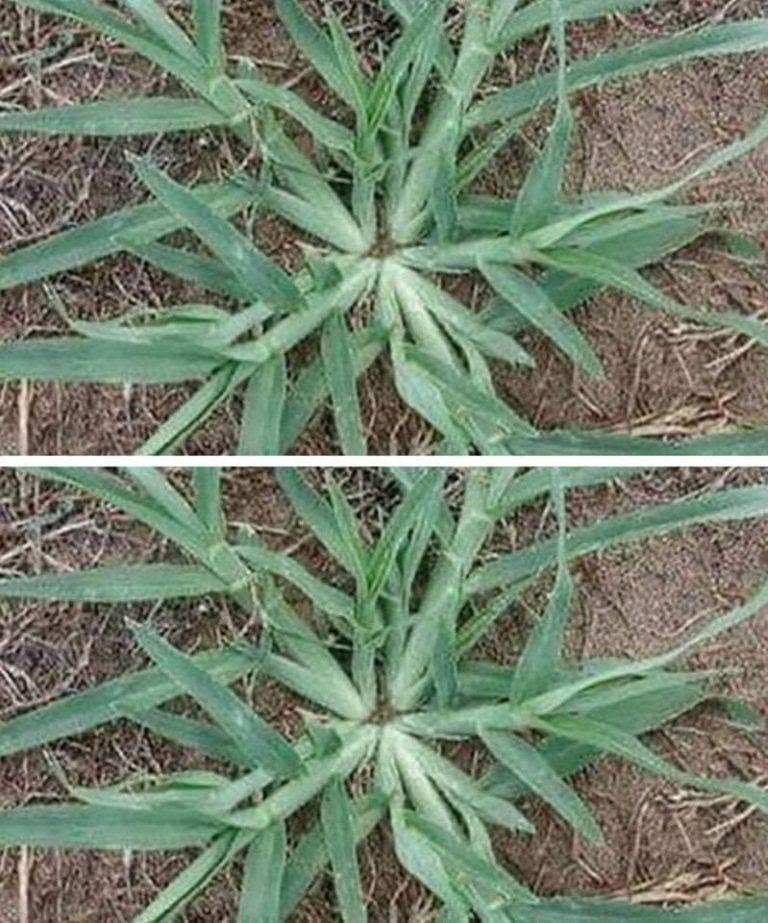
How to Grow Purslane at Home
Purslane is well adapted to warm, sunny environments.
In many regions, the challenge is not getting it to grow but keeping it from spreading too far.
Sunlight
Purslane generally performs best in plenty of sunlight.
Its succulent nature helps it tolerate warm conditions better than many leafy greens.
Soil
One reason purslane appears spontaneously in so many places is its ability to tolerate relatively poor soils.
For food production, however, growing it in clean, well-drained soil is preferable.
Watering
Because its fleshy leaves store water, purslane can tolerate periods of dryness once established.
Young plants still need adequate moisture while developing.
Avoid constantly waterlogged soil.
Growing Purslane in Containers
Purslane grows well in containers.
Container growing offers several advantages:
Better control over soil quality
Less unwanted spreading
Easier harvesting
Convenient placement near the kitchen
Choose a pot with adequate drainage.
Growing From Seed
Purslane produces many tiny seeds.
Seeds can be scattered over moist soil and lightly pressed into the surface.
Follow seed supplier instructions for the cultivated variety you choose.
Can Purslane Regrow From Cuttings?
Its succulent stems can sometimes root where they contact suitable soil.
This helps explain why discarded pieces can occasionally establish themselves again.
Why Purslane Spreads So Easily
A mature plant can produce numerous seeds, and those seeds may remain in the soil and germinate when conditions become favorable.
This is why someone who deliberately introduces purslane should be prepared to manage its spread.
Should You Really “Never Uproot” Purslane?
The viral title is intentionally dramatic.
There are perfectly reasonable situations in which you may want to remove purslane.
For example, it can compete with young vegetables for space, water, and nutrients.
It may also spread beyond the area where you want it.
The better advice is not “never uproot it,” but rather “identify it before you discard it.”
If it is growing in a safe area, you can harvest some for food and control the remainder.
How to Harvest Purslane
Young leaves and tender stems generally have the best texture.
You can clip sections rather than pulling up the entire plant if you want it to continue producing.
Harvest before the plant becomes excessively tough or begins producing large amounts of seed if you are trying to control spread.
Best Time to Harvest
Harvest when the plant is clean, fresh, and actively growing.
Avoid harvesting immediately after the area has been treated with pesticides or herbicides.
How to Store Fresh Purslane
After harvesting, remove damaged leaves and soil.
Keep it refrigerated and use it while fresh.
As with other leafy vegetables, prolonged storage can reduce texture and quality.
Can Purslane Be Frozen?
It can be frozen for cooked dishes, although freezing changes the crisp texture.
Frozen purslane is usually better suited to soups, stews, or sautéed dishes than salads.
Can Purslane Be Pickled?
Yes.
In some culinary traditions, purslane stems and leaves are pickled.
If preserving foods for long-term storage, use established food-safety recipes rather than improvising canning procedures.
Purslane as Ground Cover
Because it grows low and spreads, purslane can cover exposed soil.
Some gardeners tolerate small patches because they shade the soil surface.
However, allowing uncontrolled growth around small crop seedlings can create competition.
Is Purslane Good for Pollinators?
Its small flowers can be visited by insects, although purslane is usually not considered one of the most important pollinator plants compared with larger nectar-rich flowering species.
A diverse garden containing many flowering plants is more beneficial for pollinators.
Does Purslane Improve Soil?
Purslane can contribute organic matter when composted, but claims that the living plant dramatically restores soil should be viewed cautiously.
It is primarily valuable as an edible plant and resilient groundcover.
Can You Compost Purslane?
Yes, but mature plants carrying viable seeds may survive or spread through poorly managed compost.
If preventing future growth is important, avoid adding seed-heavy material to a cool compost pile.
Purslane vs. Common Garden Weeds
Purslane is different from many weeds because of its edible history and distinctive succulent texture.
Nevertheless, edibility should never be assumed simply because a wild plant resembles an online photograph.
Purslane vs. Spurge
This comparison deserves repeating because it is important for safety.
Purslane typically has thick, juicy leaves and succulent stems.
Many spurges have thinner leaves and release white milky sap when damaged.
If the identification is uncertain, do not taste the plant as a test.
Purslane vs. Ornamental Portulaca
Garden centers also sell ornamental Portulaca species, often grown for brightly colored flowers.
Although related, ornamental plants should not automatically be treated as culinary purslane.
If you intend to eat a plant, choose a known edible Portulaca oleracea variety from a reliable source.
Frequently Asked Questions
Is Purslane Really Edible?
Yes, correctly identified Portulaca oleracea has a long history of culinary use. Only harvest it from clean areas where you know it has not been exposed to harmful chemicals or contamination.
Is Purslane a Weed?
It can behave like a weed because it spreads easily and appears spontaneously. At the same time, it is an edible vegetable used in many traditional cuisines.
What Part of Purslane Can You Eat?
The tender leaves and young stems are commonly eaten. The small flowers are also generally edible when the plant is correctly identified.
Can I Eat Purslane Every Day?
It can be included in a varied diet, but there is usually no reason to eat very large amounts every day. People who need to limit high-oxalate or high-potassium foods should follow individualized medical advice.
Does Purslane Contain Omega-3?
Yes. It contains alpha-linolenic acid, a plant-based omega-3 fatty acid.
Is Purslane Better Than Spinach?
They have different nutritional profiles. There is no need to choose one as universally superior. Eating a variety of vegetables provides broader nutritional diversity.
Can Purslane Replace Fish for Omega-3?
No. Purslane primarily provides ALA, whereas fatty fish provide substantial amounts of EPA and DHA. The body converts only a limited amount of ALA into these longer-chain omega-3 fatty acids.
Is Raw or Cooked Purslane Better?
Both can be useful. Raw purslane retains its crisp texture, while cooking softens the plant and can alter the concentration or availability of certain nutrients and oxalates.
Can Purslane Be Toxic?
Correctly identified edible purslane is commonly consumed as food. Problems can arise from misidentification, contaminated harvesting locations, inappropriate use of concentrated supplements, or dietary restrictions related to oxalates and minerals.
Is Purslane Safe for Kidney Stones?
Purslane can contain significant oxalates. People with a history of calcium oxalate kidney stones should ask a healthcare professional or dietitian how high-oxalate foods fit into their individual diet.
Can Diabetics Eat Purslane?
Purslane can be used as a vegetable in many eating patterns, including those for people with diabetes. It should not replace prescribed diabetes treatment.
Does Purslane Cure Diabetes?
No. Although purslane has been studied in relation to blood glucose, there is no justification for describing it as a cure for diabetes.
Does Purslane Lower High Blood Pressure?
It contains nutrients that can fit into a heart-healthy diet, but it should not replace prescribed blood-pressure treatment or medical monitoring.
Can Purslane Help Cholesterol?
Some research has examined purslane in relation to metabolic markers, but no single food reliably treats high cholesterol. Overall diet and medical management remain more important.
Can Children Eat Purslane?
Correctly identified, safely grown purslane can be used as a vegetable. It should be washed and prepared appropriately for the child’s age.
Is Wild Purslane Better Than Cultivated Purslane?
Not necessarily. Cultivated purslane can be easier to identify and gives you more control over soil, pesticide exposure, and harvesting conditions.
Why Does Purslane Have Fleshy Leaves?
The succulent leaves store water, helping the plant tolerate heat and periods of limited rainfall.
Why Does Purslane Appear Suddenly?
Its tiny seeds can remain in soil and germinate when temperature, moisture, and light conditions become favorable.
Why Is Purslane So Difficult to Remove Permanently?
It produces many seeds and pieces of succulent stem may sometimes survive long enough to root again under favorable conditions.
Can I Grow Purslane Indoors?
It may be grown in a bright container, but it generally prefers strong light. An outdoor sunny location is often easier during warm weather.
Is Purslane the Same as Cat’s Tongue?
Common plant names vary greatly between regions and can refer to different species. Use the scientific identification Portulaca oleracea rather than relying solely on a nickname.
Is Purslane a Miracle Plant?
No plant should be described as a miracle treatment. Purslane is noteworthy because it is nutritious, resilient, edible, and surprisingly useful despite often being treated as a weed.
A Better Way to Look at Purslane
The real lesson is not that you should allow purslane to take over every garden bed.
It is that gardeners should learn what is growing before automatically assuming every spontaneous plant is worthless.
In the right place, purslane can provide:
An edible leafy vegetable
Plant-based omega-3 fatty acids
Fiber
Several vitamins and minerals
A distinctive crunchy texture
A useful ingredient for salads and cooked dishes
An easy-to-grow garden crop
Final Thoughts
Purslane, or Portulaca oleracea, is one of those plants that demonstrates how easily an ordinary-looking garden weed can be overlooked.
Its fleshy leaves contain useful nutrients, including fiber, minerals, antioxidant compounds, and the plant-based omega-3 fatty acid ALA.
Correctly identified purslane can be eaten raw or cooked and has a long culinary history in many cultures.
At the same time, its benefits should be described realistically. Purslane does not cure diabetes, heart disease, high blood pressure, inflammation, or other medical conditions, and its naturally high oxalate content may matter for some people with a history of certain kidney stones.
So if this little succulent appears in a clean corner of your garden, you do not necessarily have to pull it up immediately.
Identify it carefully, make sure the growing area is free from harmful chemicals and contamination, wash it thoroughly, and consider using the tender leaves and stems as another nutritious vegetable.
Sometimes the plant we are quickest to call a weed is simply a useful food we have forgotten how to recognize.