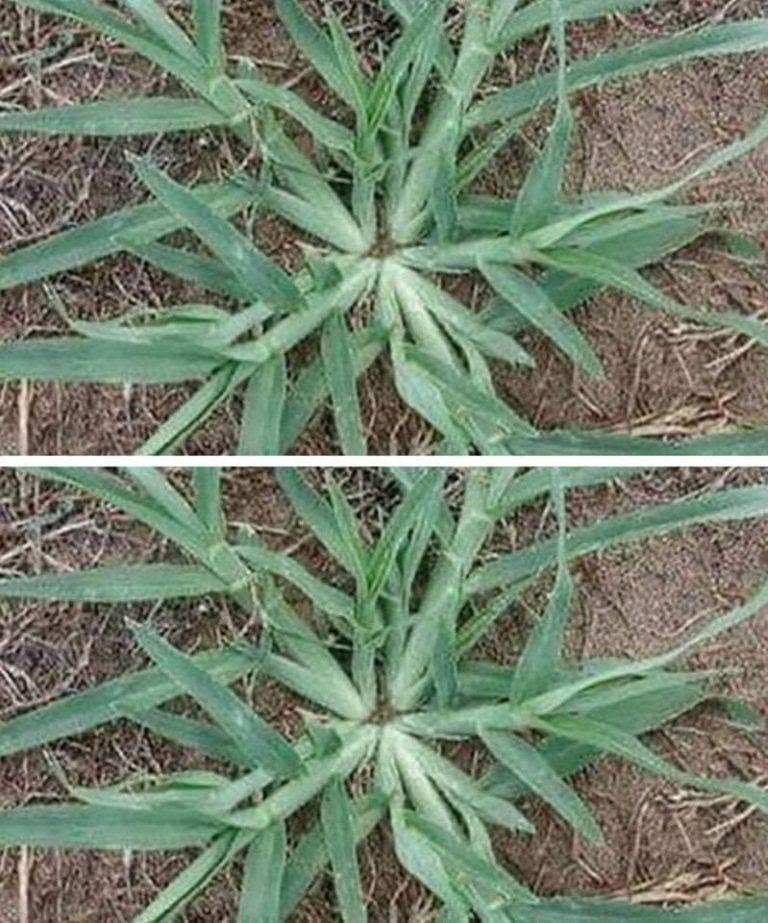
It often appears between paving stones, along garden borders, in vegetable beds, and even in places where nobody remembers planting it. Many gardeners pull it out immediately, assuming it is nothing more than an unwanted weed.
But that small, low-growing plant with thick, fleshy leaves may actually be purslane, scientifically known as Portulaca oleracea.
Purslane has been eaten in many parts of the world for generations. Its tender leaves and stems are edible when correctly identified, and the plant contains fiber, vitamins, minerals, antioxidants, and plant-based omega-3 fatty acids.
That does not make purslane a miracle medicine, and it should not be treated as a cure for disease. Still, if it appears in a clean, pesticide-free part of your garden, it may deserve a closer look before you automatically pull it out.
What Is Purslane?
Purslane is a low-growing succulent plant that thrives in warm weather.
It commonly appears during spring and summer and can grow rapidly in disturbed soil, gardens, sidewalks, fields, and other sunny locations.
The plant usually spreads along the ground rather than growing upright.
Its stems can have a reddish tint, while its leaves are smooth, thick, and fleshy because they store water.
Small yellow flowers may appear when the plant is mature.
Why Is Purslane Often Mistaken for a Weed?
Purslane grows aggressively under favorable conditions and can appear without being intentionally planted.
That behavior makes gardeners classify it as a weed.
However, the word “weed” simply describes a plant growing where someone does not want it. It does not mean that the plant has no value.
In fact, purslane has long been used as a food in parts of the Mediterranean, Middle East, Asia, Latin America, and other regions.
Other Names for Purslane
Common names vary widely by region and language.
Depending on the country, purslane may be known by several traditional names.
This is one reason identification should be based on botanical characteristics rather than on a local nickname alone.
How to Recognize Purslane
Typical purslane often has several noticeable features:
Low, spreading growth
Thick, fleshy leaves
Smooth leaves without obvious hairs
Succulent reddish or green stems
Small yellow flowers
Clusters of leaves along branching stems
Because wild plants can be confused with other species, never eat a plant unless you are completely certain of its identity.
Why Correct Identification Matters
One plant sometimes confused with purslane is spotted spurge.
Spurge is not an edible substitute for purslane and contains irritating milky sap.
A useful clue is that purslane has fleshy succulent leaves and does not normally release the characteristic milky latex associated with many spurges.
Still, online photographs alone are not always enough for safe identification.
If you are uncertain, ask a knowledgeable local gardener, botanist, agricultural extension professional, or experienced forager before consuming a wild plant.
Why Purslane Has Attracted So Much Attention
Purslane is unusual because it combines the characteristics of an ordinary leafy vegetable with those of a succulent.
Its nutrient profile has attracted considerable interest, particularly because it contains alpha-linolenic acid, or ALA, a plant-based omega-3 fatty acid.
It also provides several vitamins, minerals, pigments, and other plant compounds.
Purslane Contains Plant-Based Omega-3 Fatty Acids
Omega-3 fatty acids are important components of a balanced diet.
Purslane contains ALA, the same general type of plant-based omega-3 found in foods such as flaxseed, chia seeds, and walnuts.
This is one reason purslane is frequently described as unusual among leafy vegetables.
However, ALA is different from the EPA and DHA found mainly in fatty fish and certain algae-based products.
The human body can convert some ALA into EPA and DHA, but the conversion is limited.
Therefore, purslane should not automatically be considered nutritionally equivalent to fish.
Fiber in Purslane
The fleshy leaves and stems contribute dietary fiber.
Fiber supports normal digestive function and can contribute to fullness when included as part of a balanced meal.
A diet rich in a variety of vegetables, fruits, legumes, and whole grains is generally a more reliable way to obtain adequate fiber than depending on one single plant.
Vitamin C
Fresh purslane can contribute vitamin C.
Vitamin C has several normal functions in the body, including supporting collagen formation and acting as an antioxidant.
The exact amount in a serving can vary with growing conditions, freshness, and preparation.
Vitamin A Precursors and Pigments
Purslane contains carotenoid pigments and other plant compounds.
Carotenoids are found throughout the plant kingdom and contribute to the nutritional value of many vegetables.
A varied diet containing different colored vegetables is preferable to relying on one plant as a source of antioxidants.
Minerals in Purslane
Purslane can provide minerals such as:
Magnesium
Potassium
Calcium
Iron
The amount absorbed from plant foods depends on numerous factors, including the overall meal and a person’s nutritional status.
Is Purslane a Medicinal Plant?
Purslane has been used traditionally in various cultures and has been studied for several biological properties.
Laboratory and nutritional studies have examined its antioxidants, fatty acids, pigments, and other compounds.
However, describing purslane as a medicinal plant should not be interpreted to mean that eating it can treat serious diseases.
Food can support general health, but it is not a replacement for medical diagnosis or treatment.
Purslane’s biggest surprise is not a mysterious cure hidden in its leaves. It is the unusual combination of nutrients packed into a plant that many people throw away without a second thought.