How to Build a Pest-Resistant Garden
You can combine aromatic plants with good garden maintenance to create an outdoor environment that is less attractive to certain unwanted pests.
Near a Patio
Consider containers of:
Basil
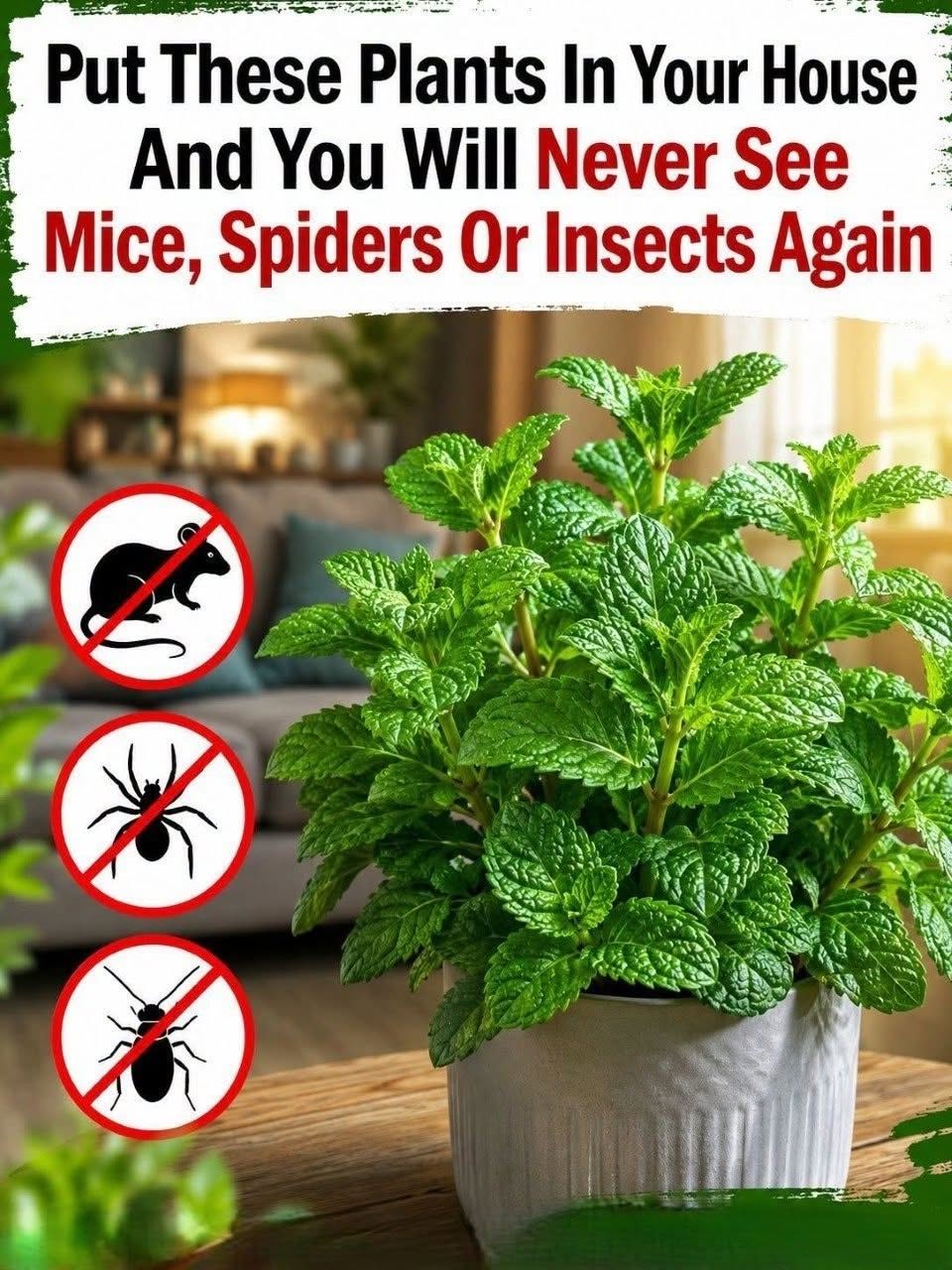
Mint
Rosemary
Lavender
Lemon thyme
These plants provide fragrance, visual interest, and in several cases culinary herbs that can be harvested for cooking.
Around Sunny Garden Borders
Lavender, rosemary, thyme, and floss flower may work well where climate and soil conditions are appropriate.
For Large Containers
Lemongrass can create a dramatic tropical appearance and may release strong fragrance when leaves are brushed or cut.
For Plant Enthusiasts
Pitcher plants can be fascinating additions, but they require specialized care and should not be purchased purely as pest-control devices.
Should You Plant Mint Around the Foundation?
Be cautious.
Mint spreads rapidly and can become invasive in garden beds.
Containers usually provide better control.
Do These Plants Work Indoors?
Some can grow indoors with enough light, but their pest-repellent effect inside a room is generally limited.
A potted mint or basil plant will not compensate for open food containers, gaps around doors, standing water, or an established insect infestation.
Mice Indoors Require a Different Strategy
If you see mouse droppings, gnaw marks, nesting material, or actual rodents, do not rely on plants.
Locate possible entry points and food sources.
Store dry foods in durable containers and clean food residue promptly.
Seal Mouse Entry Points
Check around:
Pipes
Utility lines
Doors
Garage entrances
Foundation gaps
Vents
Use appropriate rodent-resistant materials rather than temporary soft fillers that mice can chew through.
Food Storage Matters
Pet food, birdseed, grains, cereals, nuts, and other dry foods can attract rodents.
Keeping them in secure containers can significantly reduce available food.
Do Ultrasonic Pest Repellers Work?
Ultrasonic devices are widely marketed for mice and insects, but real-world performance is inconsistent.
They should not replace exclusion, sanitation, and appropriate pest-control methods.
Do Mothballs Repel Mice?
Mothballs should not be scattered around homes, gardens, or attics as general rodent repellents.
They contain pesticides intended for specific labeled uses and can expose people and pets to harmful vapors if misused.
Essential Oil Sprays Around Pets
Use caution with concentrated oils around cats, dogs, birds, and other pets.
Some essential oils can be irritating or toxic depending on the species, concentration, exposure route, and dose.
Do not spray concentrated homemade mixtures directly onto pets unless a veterinarian has specifically recommended the product.
When to Call a Pest-Control Professional
Professional help may be useful when:
A rodent infestation continues despite trapping and exclusion.
You find extensive droppings or nesting material.
Termites or other wood-destroying insects are suspected.
Wasps or hornets have established a hazardous nest.
Bed bugs are suspected.
The infestation is large or recurring.
Frequently Asked Questions
What Plant Keeps the Most Insects Away?
There is no single plant that reliably repels every insect. Different insects respond differently to plant compounds, and concentrated extracts may behave very differently from living plants.
Do Mint Plants Really Keep Mice Away?
Mint’s strong aroma may discourage rodents temporarily in some situations, but it is not a dependable solution for a mouse infestation. Sealing entry points and removing food are more important.
What Plant Keeps Spiders Away?
Mint, lavender, and other aromatic plants are frequently promoted for spiders, but strong evidence that ordinary potted plants reliably exclude spiders from homes is limited.
Does Lavender Keep Mosquitoes Away?
Lavender-derived oils have shown insect-repellent properties in some studies, but an ordinary lavender plant provides much less predictable protection.
Does Basil Repel Mosquitoes?
Basil contains volatile compounds that may affect mosquitoes, particularly when leaves are crushed. It should still be considered supplemental rather than complete bite protection.
Does Rosemary Repel Mosquitoes?
Rosemary contains aromatic oils with insect-repellent potential, but simply planting rosemary does not guarantee a mosquito-free area.
Does Lemongrass Repel Mosquitoes?
Lemongrass contains aromatic compounds that can influence insects. Concentrated plant-derived products may be more effective than the living plant itself.
Does Citronella Work?
Citronella can provide some mosquito repellency, particularly in formulated products, but effectiveness depends on concentration, distance, airflow, and other conditions.
Will Pitcher Plants Eat All My Mosquitoes?
No. Pitcher plants capture some insects but cannot control an entire mosquito population around a property.
Can I Rub Mint Leaves on My Skin?
Some people may tolerate small amounts, but plant juices can irritate sensitive skin. They also do not provide standardized or proven protection for a specific period of time.
Can Essential Oils Replace Mosquito Repellent?
Not automatically. Some appropriately formulated plant-derived repellents can be effective, but homemade essential-oil mixtures vary in concentration and protection time.
Is DEET Dangerous?
When used according to label directions, DEET is considered an effective insect repellent. Calling normal labeled use inherently toxic or unsafe oversimplifies the evidence.
What Is the Best Natural Way to Reduce Mosquitoes?
Removing standing water is one of the most important nonchemical measures. Screens, outdoor fans, suitable clothing, and appropriately formulated repellents can provide additional protection.
Can Plants Replace Professional Pest Control?
No. A serious rodent, termite, bed bug, or stinging-insect infestation may require targeted management beyond anything plants can accomplish.
Which of These Plants Are Useful in the Kitchen Too?
Basil, rosemary, mint, lemon thyme, and lemongrass can all have culinary uses depending on the variety.
Which Plant Is Easiest for Beginners?
Mint can be easy to grow but spreads aggressively. Basil is also beginner-friendly during warm weather, while rosemary and lavender prefer excellent drainage and can be less forgiving of overwatering.
Which Plant Is Best for Containers?
Mint is particularly suitable for containers because the pot prevents it from spreading throughout the garden. Basil, rosemary, lavender, lemon thyme, and lemongrass can also grow well in appropriately sized pots.
A Practical 8-Plant Summary
Basil: Aromatic herb with compounds studied for insect-repellent potential.
Lavender: Fragrant flowering plant whose essential oil has been investigated for insect repellency.
Lemon thyme: Releases citrus-like aromatic compounds when leaves are crushed.
Lemongrass: Strongly aromatic grass associated with plant-derived mosquito-repellent compounds.
Rosemary: Culinary herb containing volatile oils that may discourage some insects.
Mint: Highly aromatic and easy to grow, but not a dependable stand-alone mouse or spider solution.
Pitcher plant: Captures some insects instead of repelling them.
Floss flower: Attractive flowering plant containing naturally aromatic compounds, but not a guaranteed mosquito barrier.
The Best Strategy Is Combination Control
Plants can make a garden more attractive and may modestly reduce the activity of certain insects in nearby areas.
But successful pest control usually comes from combining several methods.
For mosquitoes, remove standing water and use screens and proven repellents when needed.
For mice, eliminate food sources and seal entry points.
For flies, manage waste and food residue.
For spiders, reduce insect prey and seal cracks around the building.
Plants then become a useful supporting measure rather than an unrealistic miracle solution.
Final Thoughts
Basil, lavender, lemon thyme, lemongrass, rosemary, mint, pitcher plants, and floss flowers are all interesting additions to a garden.
Several contain aromatic compounds that have demonstrated insect-related effects in laboratory or formulated-product settings, while pitcher plants physically capture some insects.
However, the presence of these plants alone will not reliably eliminate mosquitoes, mice, spiders, flies, ants, or other pests.
Claims that they can replace all conventional pest-control methods are exaggerated.
Likewise, the idea that properly used conventional insect repellents are inherently more dangerous simply because they are synthetic is misleading. What matters is evidence, correct concentration, appropriate use, and the specific pest being managed.
Grow these plants because they are beautiful, fragrant, useful in the kitchen, attractive to beneficial wildlife, and potentially helpful as part of a broader pest-management plan.
Then support them with the measures that make the biggest difference: remove breeding sites, maintain sanitation, seal entry points, repair screens, reduce clutter, and use proven pest-control tools when necessary.
That balanced approach gives you a better chance of enjoying your home and garden with fewer unwanted visitors—without expecting eight plants to perform a job they were never designed to do alone.