3. Lemon Thyme
Lemon thyme combines the appearance and growth habit of thyme with a citrus-like aroma.
Its leaves contain aromatic compounds that become much more noticeable when crushed.
For this reason, lemon thyme is frequently included in natural mosquito-repellent gardens.
How to Grow Lemon Thyme
It generally prefers:
Full sun
Well-drained soil
Moderate watering
Good airflow
It can work well along pathways, in herb gardens, or in containers.
Does Crushing the Leaves Matter?
Yes.
Much of a plant’s fragrance is released when oil-containing tissues are disturbed.
An untouched plant may release less of the aromatic compounds that are often associated with repellent effects.
Do Not Rub Unknown Plant Oils Directly Onto Skin
Even edible herbs can cause skin irritation in certain people.
Do a small patch test before using any plant material extensively on the skin, and do not assume homemade preparations provide dependable mosquito protection.
4. Lemongrass
Lemongrass is one of the plants most commonly associated with natural mosquito-control discussions.
It has a strong citrus scent and contains aromatic compounds such as citral.
Lemongrass should not be confused with every product labeled citronella, however.
Lemongrass vs. Citronella Grass
Lemongrass and citronella grass are related aromatic grasses but are not identical plants.
Citronella grass is commonly associated with citronella oil used in candles and outdoor repellency products.
Lemongrass has its own aromatic profile and is also widely grown as a culinary herb.
Where to Plant Lemongrass
Lemongrass generally performs best in:
Warm conditions
Full sun
Well-drained soil
Containers in colder climates where it can be moved indoors
It can grow quite large during a warm season, so allow enough space.
Do Citronella Candles Eliminate Mosquitoes?
Citronella products can reduce mosquito activity in the immediate area under some conditions, but their effectiveness varies with wind, distance, product concentration, and mosquito species.
They should not be relied upon as the only protection where mosquito bites pose a significant health risk.
5. Rosemary
Rosemary is an aromatic herb commonly used in cooking and landscaping.
Its leaves contain volatile oils with a strong fragrance, and rosemary-derived compounds have been investigated for insect-repellent properties.
Growing Rosemary
Rosemary generally prefers full sun and well-drained soil.
It often performs poorly when roots remain constantly wet.
It can be planted in the ground in suitable climates or grown in pots.
Rosemary Near Outdoor Seating Areas
Keeping rosemary near a patio, barbecue, or outdoor seating area may add fragrance and provide convenient access for cooking.
Whether it meaningfully reduces mosquitoes in a particular space will depend on many factors.
Should You Burn Rosemary to Repel Insects?
Some traditional practices involve placing rosemary sprigs near outdoor fires.
Smoke itself may temporarily affect some insects, but intentionally inhaling smoke is not healthy.
Never create indoor smoke or burn plant material in poorly ventilated areas for pest control.
Homemade Rosemary Sprays
DIY rosemary sprays may smell pleasant, but their concentration and duration of protection are unpredictable.
Do not assume they offer the same protection as registered repellents.
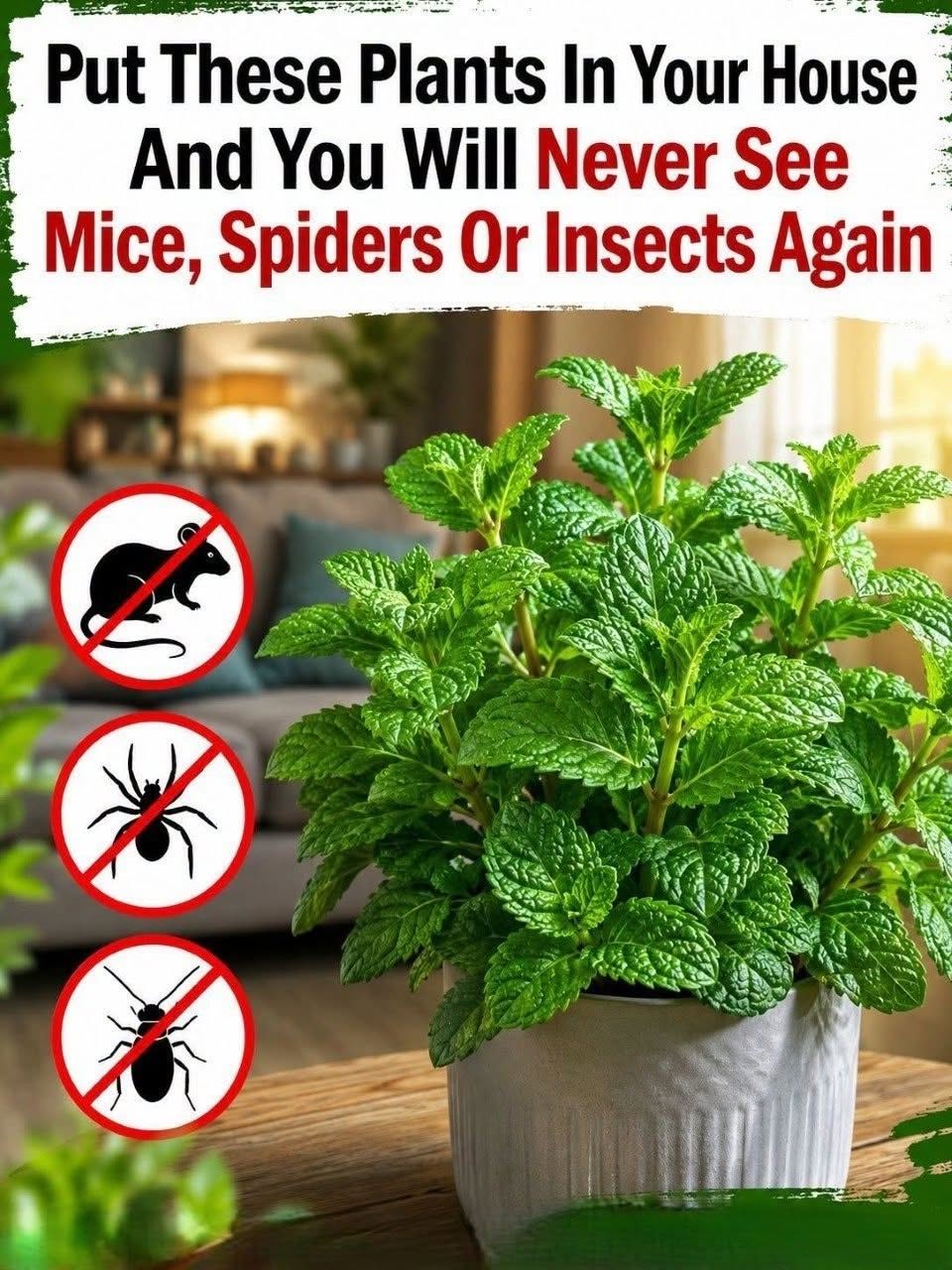
6. Mint
Mint produces a strong cooling aroma associated with compounds such as menthol.
It is frequently recommended for mosquitoes, flies, ants, spiders, and even mice.
Some mint-derived oils show insect-repellent activity, but the effectiveness of simply growing mint varies considerably.
Mint Is Best Grown in Containers
Mint spreads aggressively through underground stems.
Once planted directly in a garden bed, it can become difficult to control.
Growing mint in containers is often the easiest option.
Can Mint Keep Mice Away?
The strong smell of mint may be unpleasant to rodents in some situations, but mice can quickly tolerate odors when attractive food and shelter remain available.
Mint should therefore not be considered a stand-alone rodent-control method.
What Actually Works Better for Mice?
Focus on:
Sealing openings around pipes and doors
Repairing gaps in walls or foundations
Storing food in secure containers
Cleaning crumbs and spills
Reducing clutter
Using appropriate traps when necessary
Mice can squeeze through surprisingly small openings, so exclusion is extremely important.
Peppermint Oil and Pets
Concentrated peppermint oil is much stronger than a mint plant.
Essential oils can cause problems if ingested, inhaled in high concentrations, or improperly applied around pets.
Do not saturate indoor spaces with essential oils as a substitute for proper pest management.
Two of the most interesting plants on these lists work very differently: one actually traps insects, while the other contains compounds used in some commercial formulations.