
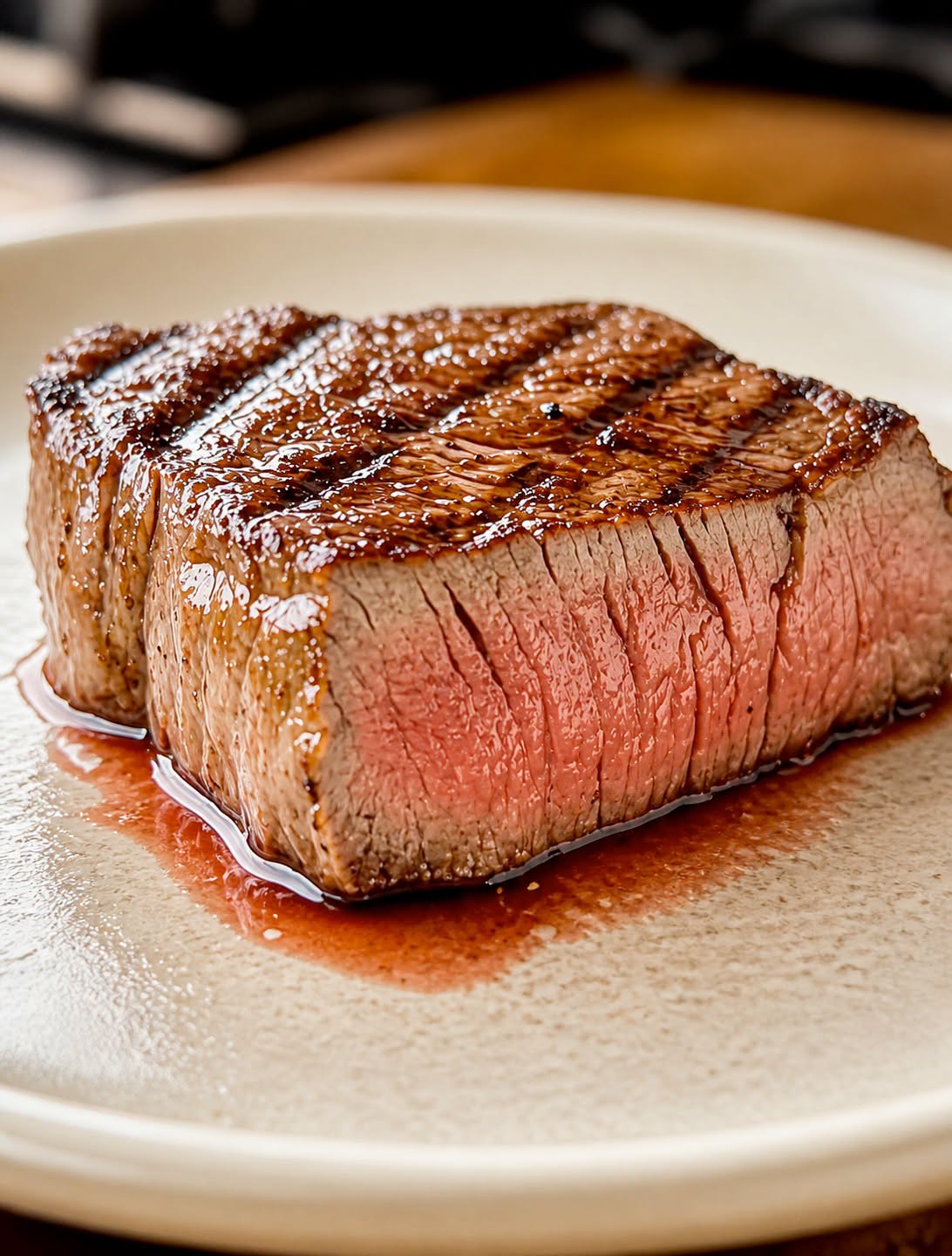
So unless you have a rare (hah) medical reason to avoid red meat, that rosy juice is nothing but good news for your taste buds. There’s not an ounce of danger in it—the only risk is falling a bit too in love with the perfect medium-rare. (I mean, we all have our weaknesses!)
Tips for Cooking the Perfect Steak
Want to wow your dinner table, or maybe just treat yourself to a cozy night in? Here’s what I’ve learned after more steaks than I’d care to admit:
Pick the Right Cut: Go for ribeye, sirloin, or filet mignon if you want a truly juicy, flavorsome experience. They’re higher in fat and myoglobin and practically made for indulgence.
Mind That Temperature: Invest in a meat thermometer (seriously, life-changing) to get your steak exactly how you like it:
Rare: 120-130°F (49-54°C)
Medium-Rare: 130-135°F (54-57°C)
Medium: 135-145°F (57-63°C)
Keep in mind it’ll rise a smidge as it rests, so don’t be afraid to pull it off just a little early.
Let It Rest: This is the step that’s oh-so-tempting to skip—but really, let your steak rest for at least 5-10 minutes (cover with foil, pour yourself a glass of wine). This gives the juices time to redistribute, so every single bite is as tender and lovely as the next. I’ve rushed it before, and regret always follows—ask me how I know.
Don’t Overcook: It’s easy to panic and leave the steak an extra few minutes “just to be safe.” But overcooking is the surest way to dry things out and lose all that wonderful juice. Trust your thermometer and resist the urge!
Debunking the Myth Once and for All
If you hear someone fretting about “bloody steaks” at your next cookout, now you’re armed with the facts. That red drip is simply water mingling with good old myoglobin—nothing alarming, just nature doing its job.
So, order your steak with confidence—rare, medium, or (if you must) well-done. You can appreciate each bite not only for its flavor but for the fascinating science that makes steak so irresistibly juicy. Trust me, understanding myoglobin makes that first mouthful even better.
Final Thoughts
There’s something so satisfying about slicing into a perfectly cooked steak and watching those juices flow. It’s not blood, friends—it’s the result of meat cooked just right, full of flavor, and rich in nutrients. Knowing what myoglobin is (and how it responds to heat) lets you savor every bite even more.
So tuck in, enjoy your favorite cut with confidence, and if anyone ever asks about the “red stuff” in their steak, you can just smile and say: it’s not blood—it’s pure, flavorful perfection.
