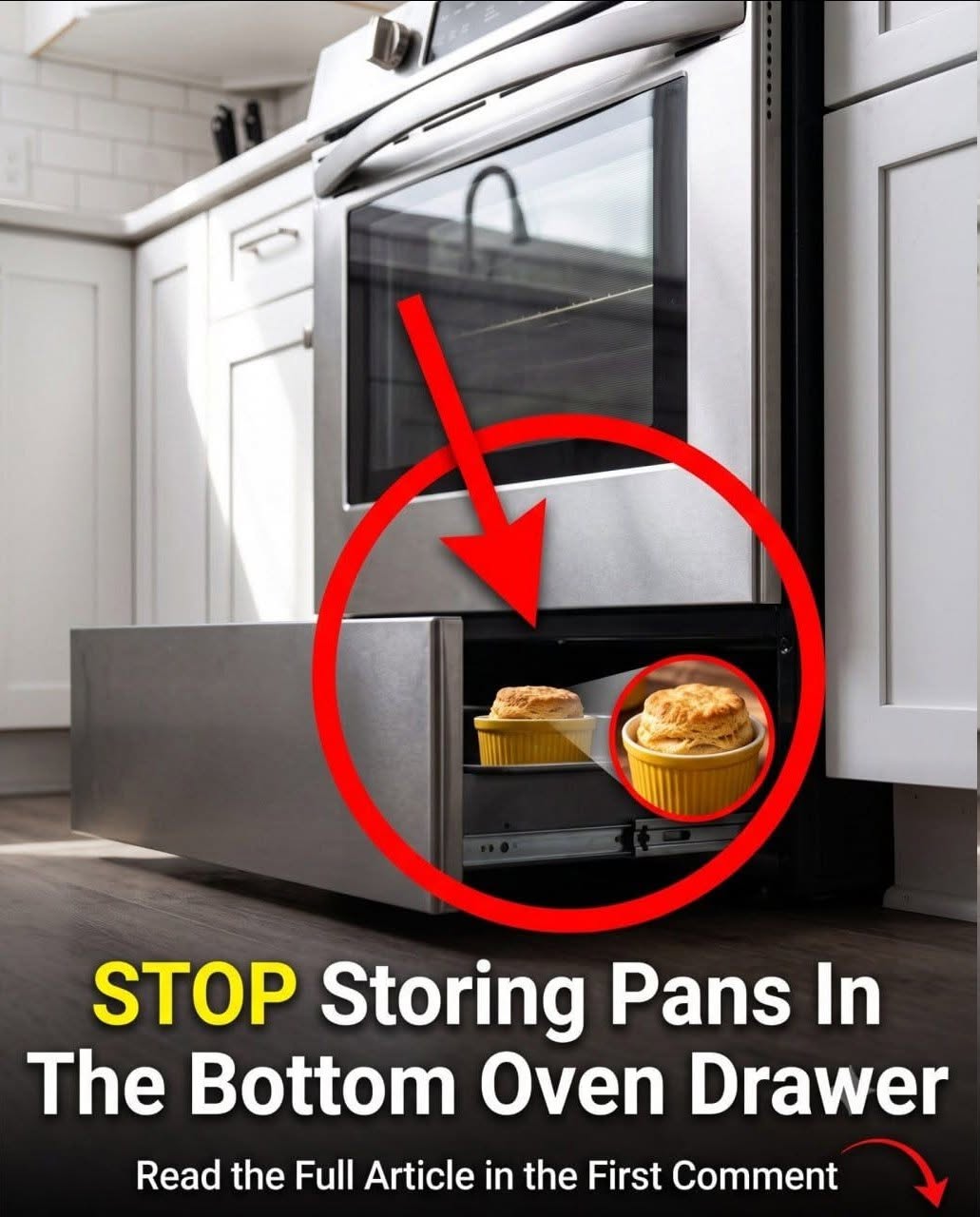
Using this for storage is not only incorrect, it can be problematic. If your broiler drawer is used for pans, and you accidentally ignite the broiler burner, you might find your stored items heated to dangerous temperatures, especially if they have plastic parts or non-stick coatings not rated for direct broiling heat.
How to Determine What Type of Drawer You Have
You do not need to hunt for the user manual that vanished years ago. You can often tell by looking at your controls.
Check the Oven Panel: The simplest way to identify a warming drawer is by looking at your digital display panel or control knobs. Modern electric ranges with a warm function will usually have a specific button labeled “Warmer Drawer” or “Keep Warm,” often with “High, Medium, and Low” settings. If this button exists, that bottom space is for warming food.
Inspect the Interior: Empty the drawer completely. If you find metal racks or tracks built into the drawer slides, it’s a strong indicator it is designed for a broiler pan. If the interior looks like a clean, simple compartment without metal tracks, and you saw the control panel button, it’s a warming drawer.
Look at the Fuel: Electric ovens almost always use a warming drawer or simple storage compartment. Gas ranges (especially older ones) have a high probability of using it as a broiler. If you can see the burner at the bottom floor of the oven when the door is open, the space below is likely designed to utilize that heat (either as a broiler or a passively warmed drawer).
Practical Examples of Using It Correctly
If your oven features a Warming Drawer, here is how you should incorporate it into your cooking routine:
Holiday Meals: When cooking for Thanksgiving, the warming drawer is a lifesaver. Keep the gravy, potatoes, and stuffing warm while the turkey rests and you use the main oven for the final minutes of rolls or pies.
Serving Large Breakfasts: Cook a massive stack of pancakes, French toast, or tortillas. Place them on a plate and slide the plate into the warming drawer (on low) so everyone eats a hot meal simultaneously.
Proving Bread Dough (with caution): Some cooks utilize a low warming drawer setting to help bread dough rise (“prove”) faster in cool kitchens. However, this must be done on the absolute lowest setting, as temperatures above 115°F can begin to kill yeast. Always use a thermometer to verify the interior temperature first.
Warming Plateware: Before plating a fancy meal, place your dinner plates in the drawer on high for 15 minutes. The warm plates prevent your food (like steak or seafood) from cooling down the instant it touches the ceramic.
If your drawer is a Broiler Compartment:
Use it ONLY for broiling: It is designed to handle extreme, direct flame. Its only safe job is browning, searing, or crisping the top of food placed on a dedicated broiler pan.
Common Mistakes to Avoid When Storing Pans
Let’s be realistic: some modern oven drawers—especially basic, lower-cost electric ranges—are designed purely as storage. If your manual explicitly states “Storage Drawer” or your checks reveal no heating element or control buttons, you can safely keep your cookie sheets there.
However, if you do have a warmer or broiler drawer, storing items in it comes with risks:
Heat Damage: Intense heat (especially in a broiler drawer) can warp or damage some items. It can melt plastic handles, peel non-stick coatings, or discolor finishes.
Fire Hazard: Debris, grease buildup on stored pans, or the accidental ignition of the drawer while stored items are inside can create a fire hazard.
Appliance Inefficiency: Clutter inside a warming drawer can block the airflow meant to circulate low heat, making the feature work harder and less effectively.
A Memorable Takeaway for a Better Kitchen
We accept many inherited habits as facts in our kitchens. The assumed storage of cookie sheets in the bottom oven drawer is one of the most common “mistakes” made by home cooks. The drawer beneath your main oven is, more often than not, a specialized cooking compartment designed to make your life easier and your food better.
Whether it’s an active Warmer Drawer keeping your pancakes hot, or a hidden Broiler Compartment perfect for searing, using this feature properly unlocks an entire second zone for managing temperature and finishing meals. Step away from using it as a noisy closet, and start using it as the integrated cooking tool it was engineered to be.