
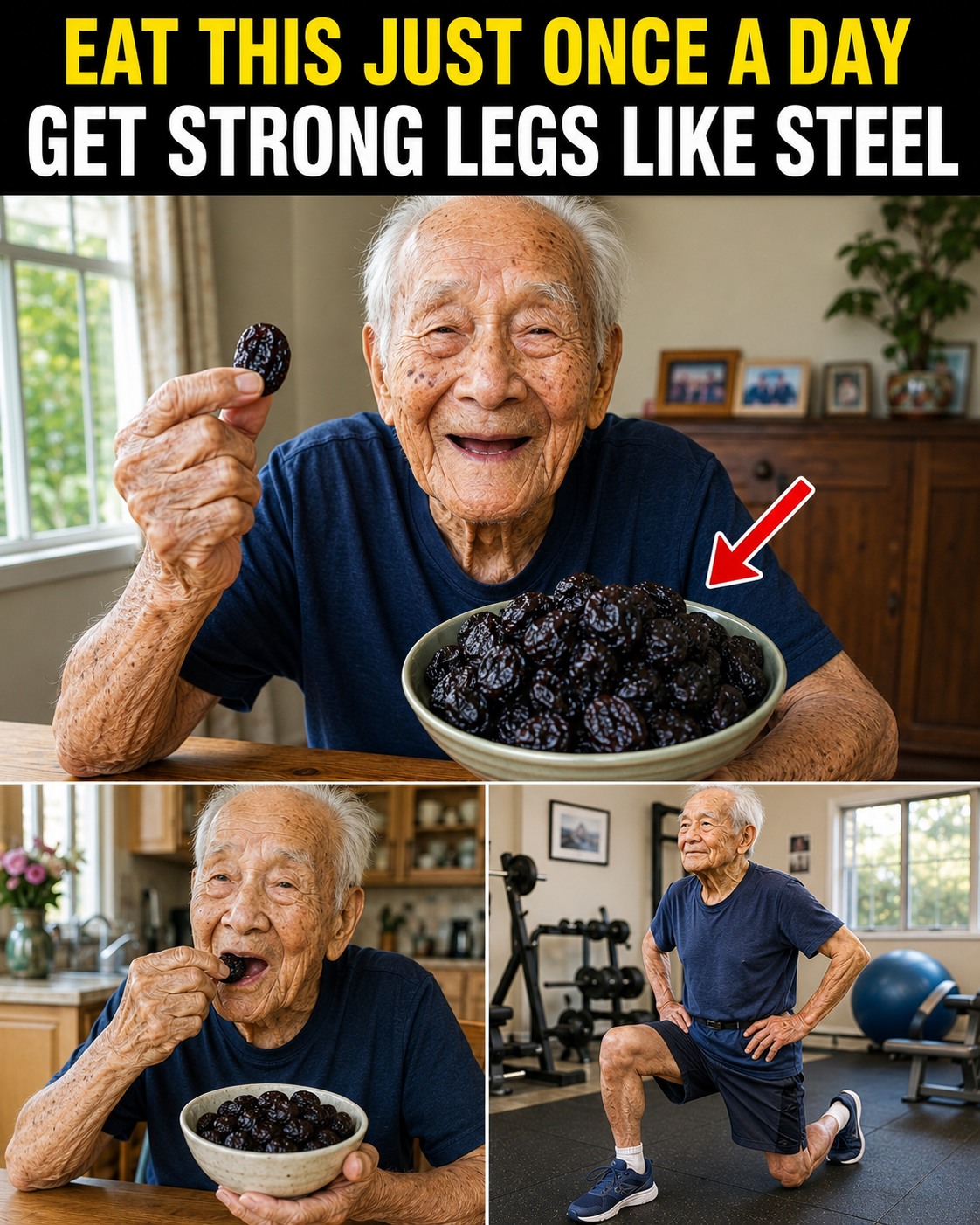
- Sit-to-Stand (Chair Squats): Sit on the edge of a sturdy chair with feet flat on the floor. Push through your heels to stand up slowly, then lower back down with control. Aim for 10–15 repetitions. This move strengthens your thighs and glutes while improving the ability to rise from any seated position.
- Heel Raises: Stand behind a chair for light support if needed. Rise onto your toes, hold for a second, then lower slowly. Perform 2–3 sets of 10. Your calf muscles get a gentle workout that supports better walking stability.
- Short Daily Walks: Begin with 10–15 minutes at a comfortable pace and gradually add time or gentle inclines. Walking keeps blood flowing and builds overall leg endurance without strain.
But that’s not all. Adding a quick balance practice—such as standing on one leg while holding the chair for 10–20 seconds per side—can further reduce fall risk and boost your sense of steadiness.
Exercise alone isn’t enough—your muscles need the right fuel to stay strong. Studies indicate that spreading protein intake throughout the day helps older adults maintain muscle better than saving it all for dinner.
Try this simple daily nutrition checklist:
- Include a protein source in every meal—think eggs, Greek yogurt, chicken, fish, beans, or tofu.
- Add colorful fruits and vegetables for vitamins and antioxidants that support muscle recovery.
- Stay well hydrated because even mild dehydration can make muscles feel weaker.
- Consider vitamin D-rich foods or speak with your doctor about supplementation, as it plays a role in muscle function.
The surprising habit many people miss? Eating a solid protein-rich breakfast. Research shows this small shift can help preserve muscle strength throughout the entire day.
Busting the Myths: What Really Works for Leg Strength After 60
Confusion often stops people from taking action. Let’s clear up a few common myths with straightforward facts:
| Myth | Reality |
|---|---|
| “Weak legs are just part of getting older—you can’t change it.” | Strength-building habits and better nutrition can help slow sarcopenia and support better function, according to multiple studies. |
| “You need a gym membership or heavy weights to get stronger.” | Simple bodyweight exercises done consistently at home work just as well for most adults over 60. |
| “More protein will make me bulky like a bodybuilder.” | Moderate increases in protein help maintain and support muscle without adding unwanted bulk. |
| “Rest is always best when legs feel weak.” | Gentle, regular movement actually improves circulation and muscle health when done safely. |
These insights are backed by trusted sources like the Cleveland Clinic and peer-reviewed research on aging and muscle health.
