Step 1: Brush Twice Daily
Brush your teeth for two minutes, twice a day, using a soft-bristled toothbrush and fluoride toothpaste.
Step 2: Floss Every Day
Dental floss helps remove food particles and plaque from areas that toothbrushes cannot easily reach.
Step 3: Drink Plenty of Water
Water helps rinse away food particles and supports normal saliva production.
Step 4: Reduce Coffee and Tea Stains
Coffee and tea can gradually discolor teeth. Drinking water afterward can help reduce the time staining substances remain in contact with your teeth.
Step 5: Avoid Smoking
Tobacco can cause significant yellow and brown staining while increasing the risk of gum disease and oral cancer.
Step 6: Schedule Professional Dental Cleanings
Regular dental examinations and professional cleanings help remove tartar and identify dental problems early.
Step 7: Choose Safe Whitening Products
If you want a brighter smile, ask your dentist about professionally supervised whitening or approved whitening products.
5. Natural Ingredients You Should Avoid Using on Your Teeth
Not every kitchen ingredient is safe for dental care.
Avoid using the following as homemade whitening treatments:
Lemon Juice: Its acidity can gradually erode tooth enamel.
Vinegar: Frequent exposure to acidic vinegar can damage enamel.
Undiluted Hydrogen Peroxide: Improper concentrations or use can irritate the gums and damage oral tissues.
Charcoal Powder: There is insufficient evidence that charcoal safely whitens teeth, and abrasive products may wear down enamel.
Aggressive Baking Soda Scrubbing: Improper use can irritate gums and contribute to enamel wear.
A gentle oral hygiene routine is much safer than experimenting with harsh homemade mixtures.
6. How Often Should You Visit the Dentist?
Regular dental examinations are important even when your teeth appear healthy.
Your dentist can check for:
- Hardened tartar.
- Gum inflammation.
- Cavities.
- Enamel erosion.
- Tooth sensitivity.
- Early signs of gum disease.
The appropriate frequency of professional cleaning depends on your oral health and individual risk factors.
People who develop tartar quickly or have gum disease may need more frequent visits.
7. The Secret to a Beautiful Smile After 50
Maintaining a beautiful smile does not require complicated homemade remedies.
The most effective habits are often the simplest:
- Brush with fluoride toothpaste.
- Floss regularly.
- Drink water throughout the day.
- Limit sugary snacks.
- Avoid tobacco.
- Eat a balanced diet.
- Visit your dentist regularly.
These habits help protect your natural teeth and gums as you grow older.
Final Thoughts
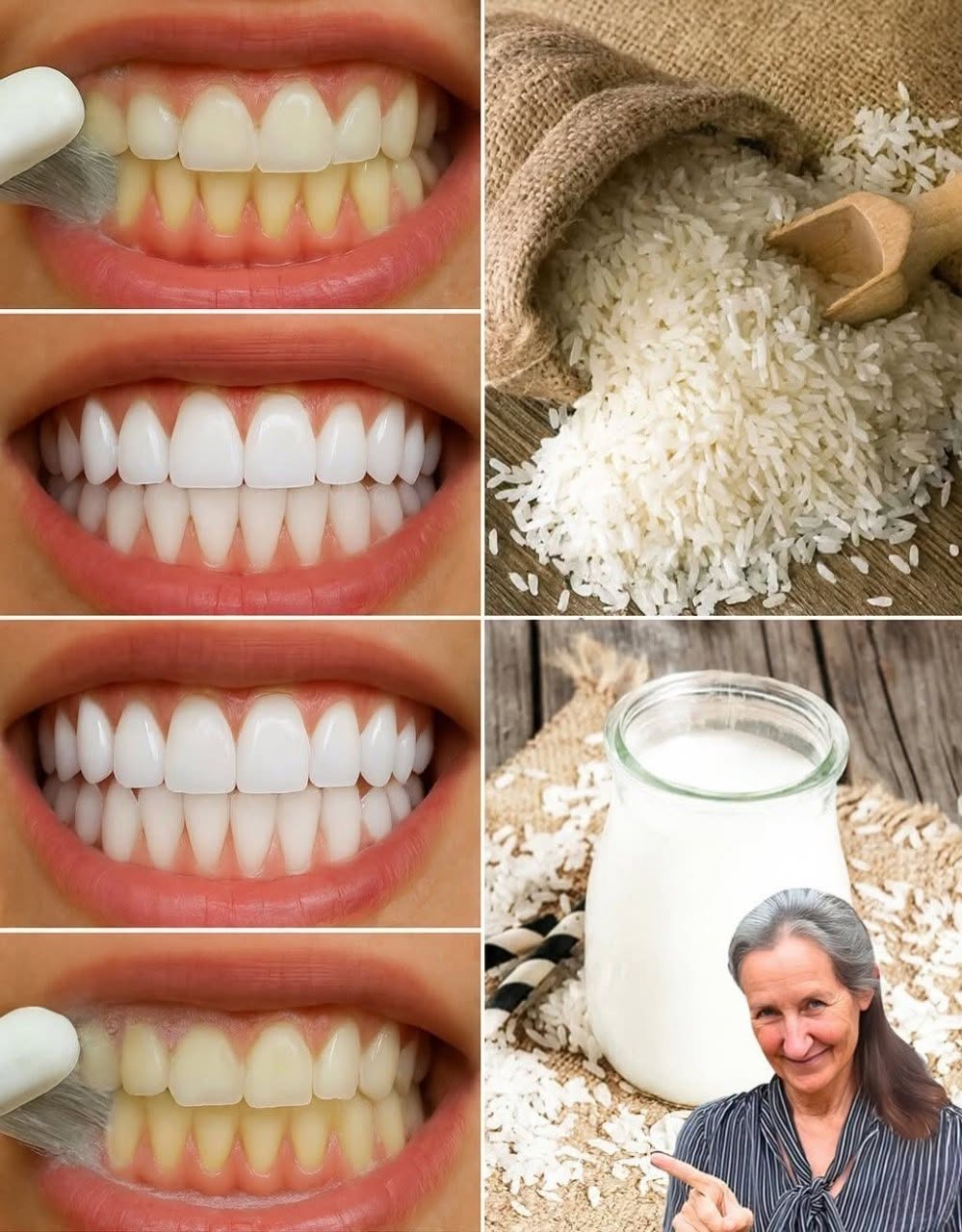
Rice is an inexpensive kitchen ingredient with several traditional beauty uses, but it is not a scientifically proven treatment for yellow teeth or hardened tartar.
If your goal is a cleaner, brighter smile, focus on proper brushing, daily flossing, professional dental cleaning, and safe whitening options.
Remember that healthy teeth are more important than achieving an artificially bright white appearance.
Have you ever tried a homemade rice water beauty preparation? Share your experience in the comments!