
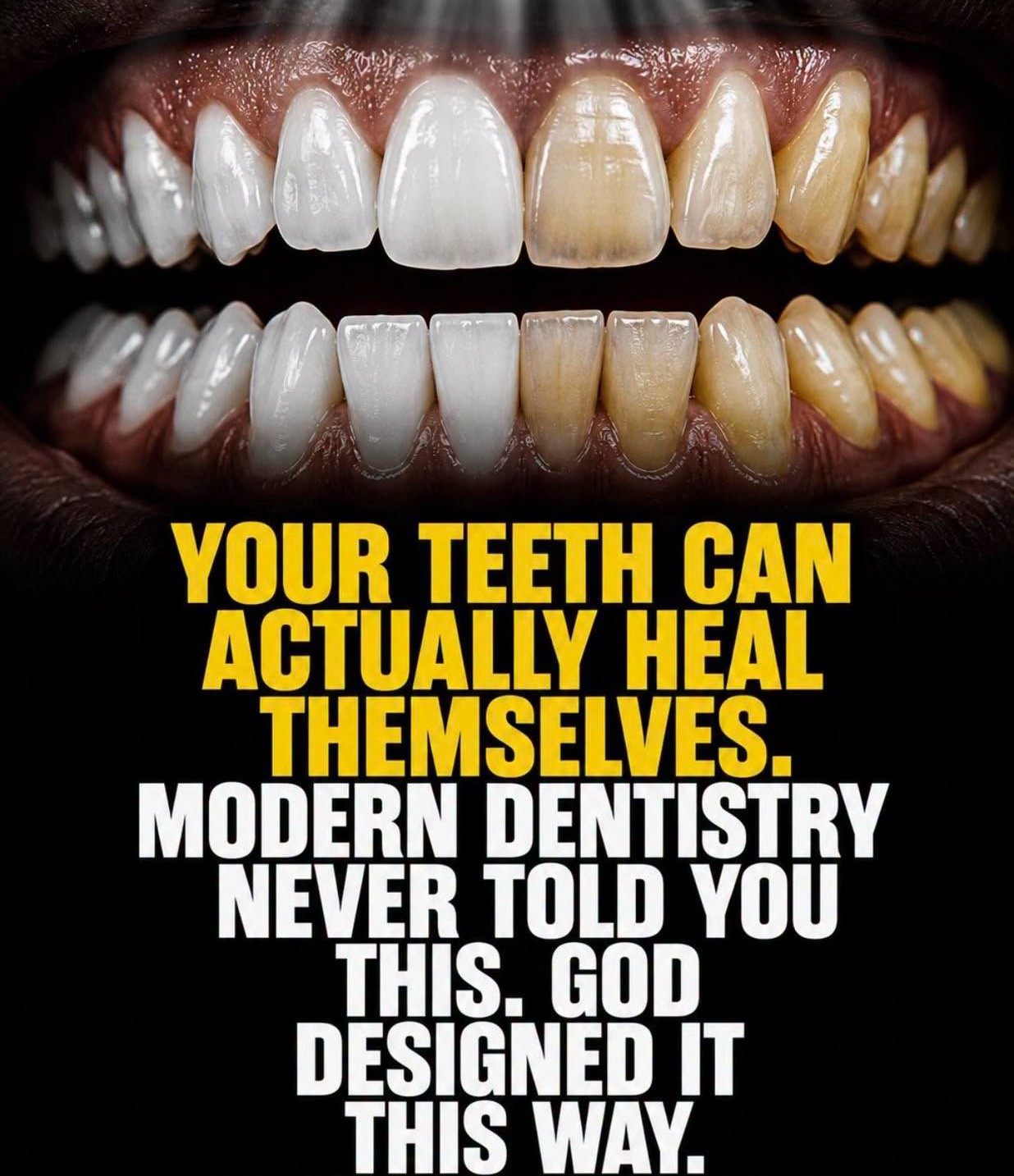
Photos and reports from traditional communities, including groups studied in remote areas, have often shown people with broad dental arches and relatively straight teeth, despite limited access to modern dental care.
This raised questions for Dr. Weston Price, a dentist from Cleveland, Ohio, in the early 20th century. After studying several traditional populations, he suggested that changes in diet may play a role in dental decay, jaw development, and overall oral health.
According to Price’s observations, when traditional diets were replaced with more modern foods such as refined flour, sugar, and highly processed products, dental health often appeared to decline.
Crooked Teeth, Cavities, and Vitamins A, D, and K
Proper growth of the jaw and teeth depends on many factors, including genetics, breathing patterns, oral habits, diet, and access to adequate nutrients. Vitamins A, D, and K2 are often discussed in relation to bone and dental health because they help support normal mineral metabolism and development.
Vitamin A plays a role in growth and tissue health. Vitamin D supports calcium absorption, which is important for bones and teeth. Vitamin K2 is also believed to help direct calcium into bones and teeth, although research continues to explore its full role in oral health.
A nutrient-dense diet that includes whole foods, minerals, healthy fats, and adequate vitamins may help support stronger teeth and healthier oral development. However, nutrition should be seen as part of a complete oral health approach, not a replacement for professional dental care.
Before a tooth reaches the point of needing major treatment, there may be an earlier stage that is worth understanding more clearly.
