
Combined risk
The ADA reports that people with diabetes are at a significantly higher risk of lower limb amputation, especially when peripheral neuropathy and peripheral arterial disease (PAD) occur simultaneously.
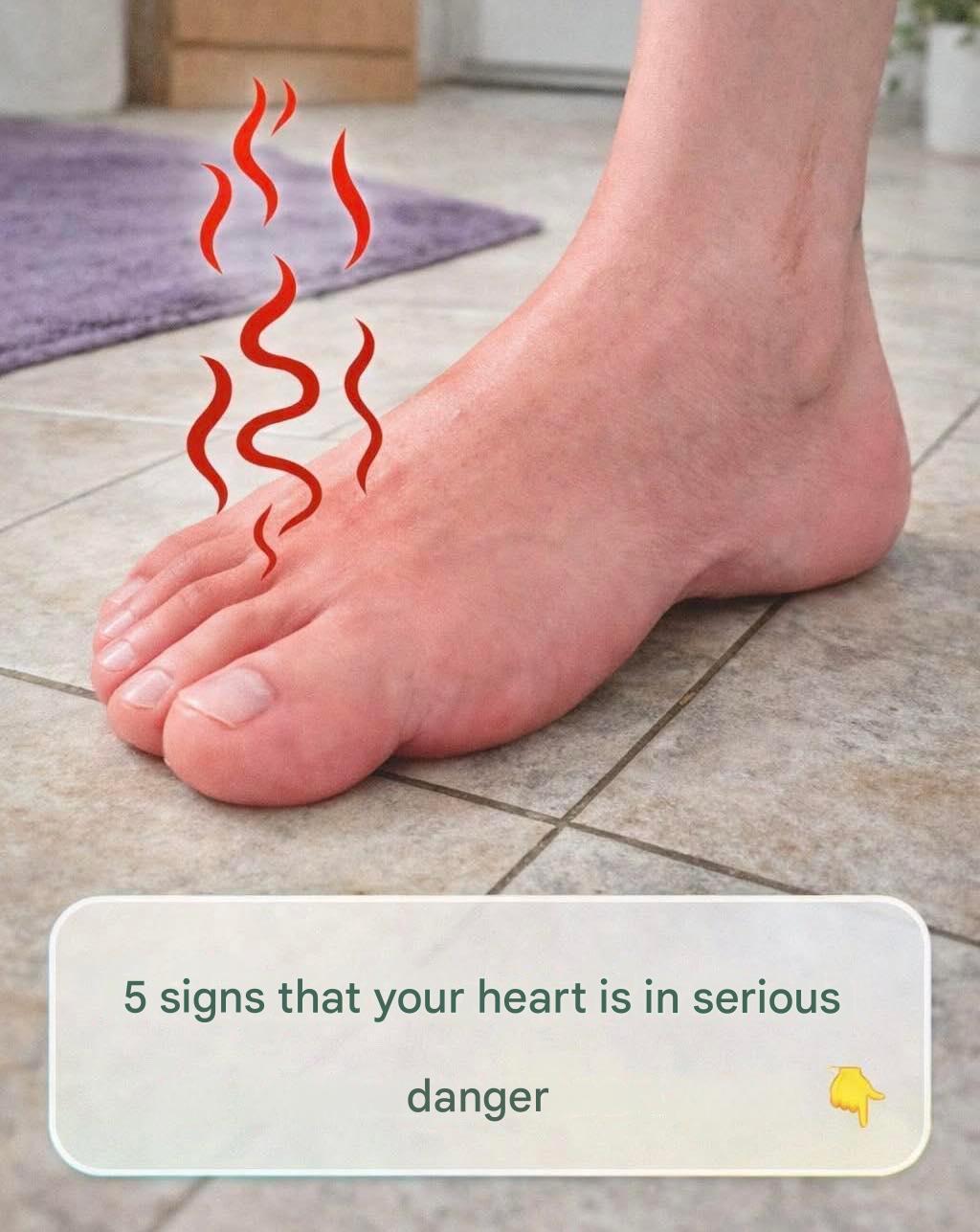
The AHA further states that PAD is not only a foot problem, but a sign of widespread atherosclerosis and increases the risk of heart attack and stroke.
This means that foot symptoms can indicate a broader cardiovascular condition.
Guideline-based prevention strategies
Both organizations provide clear preventive recommendations.
ADA recommendations:
Annual comprehensive foot check
More tests for high-risk patients
Daily self-check of the feet
Strict control of blood sugar levels to reduce the progression of neuropathy.
Immediate assessment of any ulcers or infections
AHA recommendations:
blood pressure regulation
Control your cholesterol levels.
Maintain a healthy weight
Stop smoking
Exercise regularly.
These measures reduce both cardiovascular complications and complications of the lower limbs.
When should you call for immediate medical help?
Consult a doctor immediately if you suffer from:
Sudden, severe discoloration of the legs
Signs of infection (redness, warmth, pus)
Rapid swelling
Chest pain and symptoms in the legs
Newly developed, severe leg pain
According to both the ADA and AHA guidelines, early intervention significantly reduces the risk of permanent damage.
Clinical result
The feet often serve as early indicators of the overall health of the blood vessels.
The American Diabetes Association emphasizes that foot complications are preventable through early detection and appropriate treatment.
The American Heart Association emphasizes that peripheral vascular disease is a serious cardiovascular condition that must not be overlooked.
When diabetes and heart disease occur together, regular foot checks are not only a recommendation, but a necessity.
Protecting your feet is part of protecting your heart.
