Omega-3 fats have attracted particular interest because certain fatty acids are important components of cell membranes, including those in the nervous system. The body can convert some ALA into EPA and DHA, two other omega-3 fatty acids, although this conversion is limited.
Walnuts are therefore a useful source of plant-based omega-3 fats, but they are not nutritionally identical to oily fish, which supplies EPA and DHA directly.
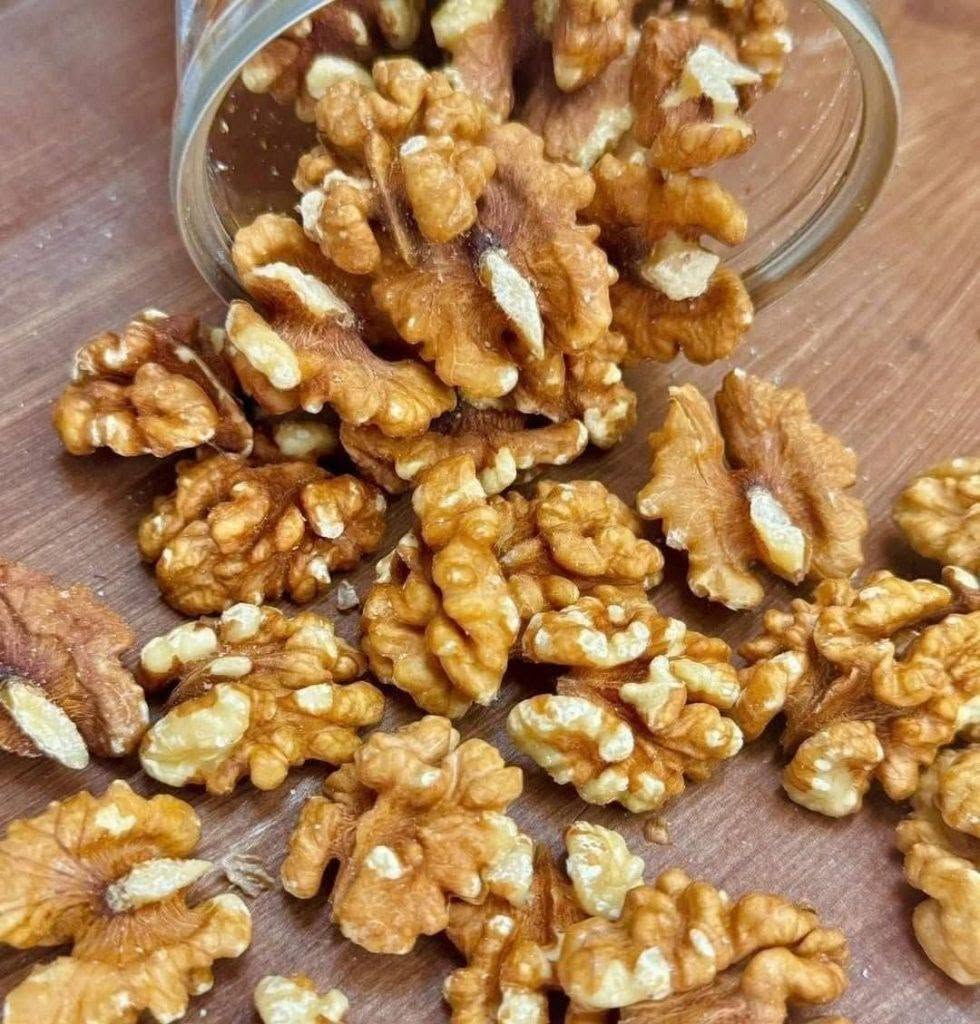
Ripe and fresh walnut kernels in bowl without shell on rustic table, healthy nut food for brain
Scientists have investigated whether regular walnut consumption is associated with better memory, attention, and other measures of cognitive performance. Some studies have reported encouraging findings, while others have produced less conclusive results.
It is important not to interpret these findings as proof that walnuts prevent dementia or guarantee better memory. Cognitive health depends on many factors, including age, genetics, sleep, physical activity, cardiovascular health, and overall diet.
Nevertheless, walnuts can fit comfortably into an eating pattern that supports general health. Combining them with vegetables, fruit, whole grains, beans, and adequate protein provides a wider range of nutrients than relying on any single food.
Try adding chopped walnuts to oatmeal, mixing them into plain yogurt, or pairing them with fresh fruit for a convenient snack.
Antioxidants and the Body’s Natural Defenses
Walnuts contain plant compounds, including polyphenols, that have attracted scientific interest because of their antioxidant properties.
Antioxidants help the body manage oxidative stress, a process involving unstable molecules known as free radicals. Oxidative stress plays a role in normal biological processes and has been studied in connection with aging and several chronic conditions.
However, the presence of antioxidants in a food does not mean that eating it will prevent a particular disease. The body has complex systems for managing oxidative stress, and these systems depend on many nutrients and normal cellular processes.
Walnuts also provide minerals such as magnesium and copper, which are involved in various physiological functions. Combined with their unsaturated fats and fiber, these nutrients make walnuts a useful addition to a varied diet.
The practical lesson is to focus on eating a range of nutritious foods rather than relying on one ingredient as a powerful antioxidant remedy. Vegetables, fruits, nuts, seeds, legumes, and whole grains all contribute different beneficial compounds.
Can Walnuts Help With Digestion?
Walnuts contain dietary fiber, which supports normal bowel function and contributes to digestive health. Many people do not consume enough fiber, so adding nuts alongside vegetables, fruits, legumes, and whole grains may help improve overall intake.
Fiber can also contribute to feelings of fullness after meals. Combined with the protein and fat in walnuts, it can make a small serving more satisfying than a snack consisting mainly of refined carbohydrates.
Nährstoffrechner: Berechnen Sie Kalorienbedarf und Nährstoffverteilung ✏️
However, eating a large amount of walnuts at once may cause bloating, gas, or digestive discomfort in some people, particularly those who are not accustomed to eating high-fiber foods.
If you want to increase your fiber intake, start with modest portions and increase them gradually. Drinking sufficient water and eating a variety of fiber-rich foods can also help support normal digestion.
Walnuts are not a treatment for chronic constipation, inflammatory bowel disease, or other digestive disorders. Persistent or severe symptoms should be discussed with a healthcare professional, especially if accompanied by unexplained weight loss, blood in the stool, or significant abdominal pain.
Do Walnuts Help With Weight Management?
Walnuts are relatively high in calories because they contain a substantial amount of fat. That does not make them inherently unhealthy. Unsaturated fats are an important part of a balanced diet, and the combination of fat, protein, and fiber can make a modest serving satisfying.
For many adults, a common serving is approximately one ounce, or 28 grams—roughly a small handful. The exact number of walnut halves varies depending on their size.
People managing their weight may find it helpful to measure a serving occasionally rather than eating directly from a large container. The goal is to enjoy the nutritional benefits while keeping portions appropriate for individual energy needs.
Instead of simply adding walnuts to every meal, consider using them as a substitute for another snack or ingredient. A measured portion can replace some sweets or heavily processed snack foods. Chopped walnuts can also add flavor and texture to oatmeal and salads.
Weight management depends on overall food intake, activity, sleep, health conditions, and other individual factors. Walnuts do not cause automatic weight loss, and eating them in unlimited quantities can increase calorie intake.
How Many Walnuts Should You Eat Each Day?
For many adults, a small handful of walnuts—about 28 grams—is a reasonable starting portion. This amount provides beneficial fats, some protein, fiber, and several micronutrients.
There is no universal requirement to eat walnuts every day. Nutritional needs differ depending on age, activity, overall diet, and individual health circumstances. Some people may enjoy walnuts daily, while others prefer to alternate them with almonds, peanuts, pistachios, or seeds.