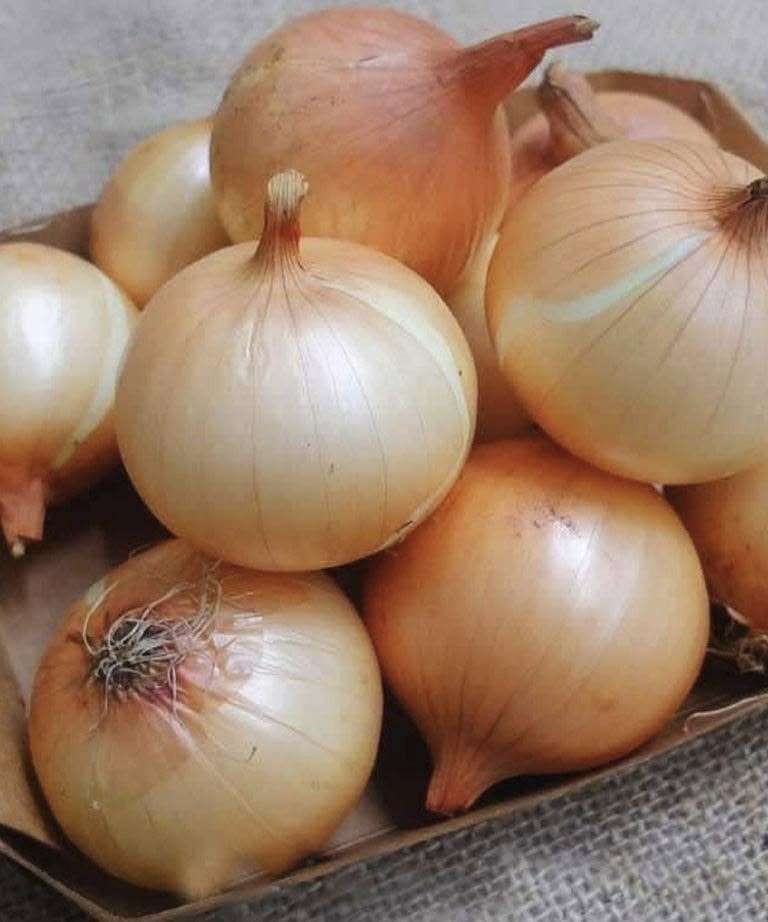
Quercetin is a flavonoid found in high amounts in onions — especially yellow and red varieties.
What it may help with:
Reducing oxidative stress
Lowering inflammation markers
Supporting allergy relief (quercetin stabilizes mast cells)
 Some lab and animal studies suggest quercetin might also support cardiovascular and brain health — though more human trials are needed.
 Raw onions have more quercetin than cooked — but cooking still preserves significant levels.
2. Supports Heart Health
Heart disease is the leading cause of death worldwide — but diet plays a major role in prevention.
Onions contribute by:
Action
How It Helps
 Mildly lowering blood pressure
Due to potassium and quercetin effects on vessels
Reducing LDL (“bad”) cholesterol oxidation
Slows plaque buildup in arteries
Improving circulation
Sulfur compounds may reduce clotting risk
 Population studies link higher onion intake with lower rates of heart disease.
3. May Help Regulate Blood Sugar
For people managing prediabetes or type 2 diabetes, onions could be a supportive food.
A compound called S-methylcysteine sulfoxide has shown promise:
In one study, participants who ate raw red onion saw lower fasting blood glucose after meals
Effects were seen within 2–4 hours
 Not a replacement for medication — but a helpful addition to balanced meals.
4. Boosts Immune Function
While no food “boosts” immunity overnight, onions support your body’s defenses through:
Vitamin C → white blood cell production
Antioxidants → protect cells from damage
Prebiotic fiber → feed beneficial gut bacteria (your immune system lives largely in your gut)
 Regular consumption helps maintain readiness — not overstimulation.
For Complete Cooking STEPS Please Head On Over To Next Page Or Open button (>) and don’t forget to SHARE with your Facebook friends