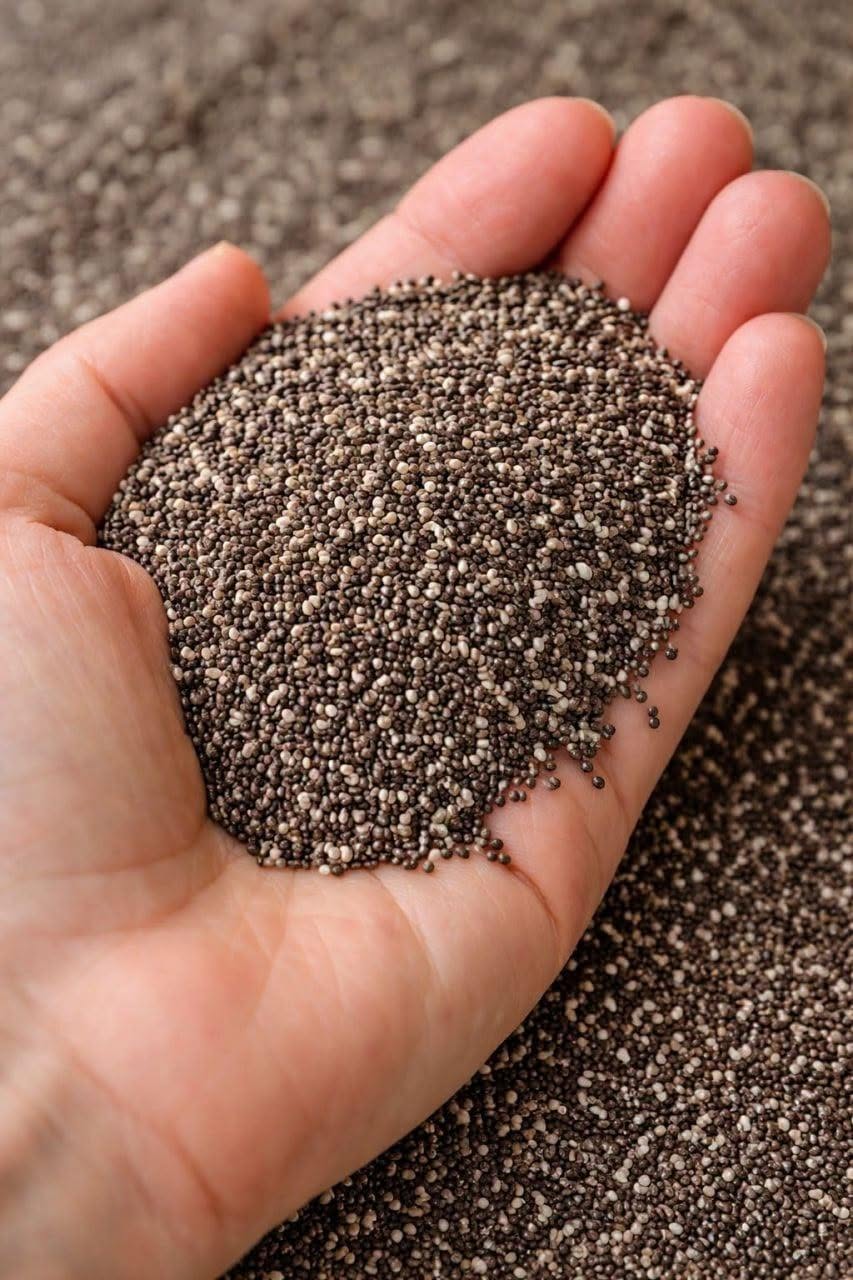
Potential Benefits for Heart Health
The fiber, ALA, protein, and minerals in chia seeds can contribute to a heart-conscious diet. Replacing foods rich in saturated fat or refined carbohydrates with seeds and other minimally processed plant foods may improve overall dietary quality.
Clinical trials examining chia seeds have reported mixed results. Some studies have observed improvements in selected risk markers, while others have found little or no meaningful change in cholesterol, blood pressure, inflammation, or body weight.
Chia seeds should not be expected to prevent a heart attack or stroke on their own. Cardiovascular health depends on the overall diet, physical activity, blood pressure, LDL cholesterol, blood sugar, smoking status, sleep, age, genetics, and prescribed treatment.
Can Chia Seeds Lower Cholesterol?
Soluble fiber can contribute to healthy cholesterol management, and chia seeds contain some soluble fiber. However, evidence that chia seeds alone significantly lower LDL cholesterol remains inconsistent.
They may be most helpful when used to replace less nutritious ingredients. For example, adding chia to unsweetened oatmeal is different from adding it to a dessert containing large amounts of sugar and saturated fat.
Anyone with high cholesterol should continue following professional guidance. Chia seeds cannot replace statins or other prescribed treatments.
Possible Effects on Blood Pressure
Some trials have found modest blood-pressure changes among participants consuming chia seeds or chia flour, while other studies have not demonstrated a clear effect.
People taking blood-pressure medication should not substantially increase chia intake in an attempt to reduce their dosage. Blood pressure should be monitored, and medication changes must be directed by a qualified healthcare professional.
Chia Seeds and Blood-Sugar Control
The gel-forming fiber in chia seeds may slow the digestion and absorption of carbohydrate when the seeds are eaten as part of a meal. Small studies have reported a reduced rise in blood glucose after meals containing chia.
This does not mean chia seeds lower blood glucose in every situation or treat diabetes. The effect depends on the entire meal, serving size, medication, activity, and the individual’s metabolic health.
People with diabetes can often include chia seeds in a balanced diet, but they should continue monitoring blood glucose and following their prescribed treatment plan.
Chia Seeds and Weight Management
Chia seeds expand when hydrated, and their fiber may contribute to fullness. Adding a moderate portion to yogurt, oatmeal, or another meal may reduce hunger temporarily for some people.
Research on chia seeds and long-term weight loss is mixed. Some studies have reported modest benefits in specific populations, while others have found no significant reduction in body weight.
Chia seeds are not low in calories. Two tablespoons contain approximately 138 calories, and several large spoonfuls can add considerable energy to a meal.
For weight management, chia seeds are most useful as a measured ingredient within an appropriate eating plan. They do not burn abdominal fat or cause weight loss without an overall calorie deficit.
Chia Seeds and Bone Health
Chia seeds provide calcium, magnesium, phosphorus, manganese, and protein, all of which contribute to normal bone structure and function.
However, claims that eating chia seeds prevents osteoporosis are stronger than current human evidence supports. Some studies showing improved bone measures have involved animals rather than people.
Bone health also depends on vitamin D, hormonal status, physical activity, age, medication use, and total nutrient intake. Weight-bearing exercise and resistance training are particularly important.
Chia Seeds as a Source of Calcium
Chia seeds can contribute calcium, which may be useful for people who do not consume dairy products. Nevertheless, a normal serving should be combined with other calcium sources rather than treated as a complete substitute.
Other options include calcium-set tofu, fortified plant-based drinks, dairy products, canned fish with edible bones, beans, and certain green vegetables.
Do Chia Seeds Improve Exercise Performance?
see continuation on next page