.
 Tips for safer use:
Start low: Begin with small amounts to assess tolerance.
Choose quality: If using supplements, select third-party tested brands (USP, NSF, ConsumerLab).
Track symptoms: Note any changes in bleeding, blood sugar, or digestion.
Disclose use: Always tell your healthcare providers about supplements you take.
 Frequently Asked Questions
Can I use ginger if I have one of these conditions?
Possibly—in small, culinary amounts. The concern is primarily with concentrated supplements or high therapeutic doses. Always discuss with your provider first.
Does cooked ginger have the same risks as raw or supplement forms?
Cooking may reduce some active compounds, but ginger’s blood-thinning and blood sugar effects can still occur. Caution is still advised.
What about ginger tea?
One cup of ginger tea (made from 1–2 grams of fresh ginger) is usually safe for most people. Avoid multiple strong cups daily if you have a contraindicated condition.
Are there alternatives to ginger for nausea or inflammation?
Yes! For nausea: peppermint, acupressure, or vitamin B6 (for pregnancy-related nausea). For inflammation: turmeric (with black pepper), omega-3s, or boswellia. Discuss options with your provider.
If I accidentally take ginger with a contraindicated condition, what should I do?
Don’t panic. One-time exposure is unlikely to cause harm. Monitor for symptoms (unusual bruising, dizziness, low blood sugar signs) and contact your provider if concerned.
 A Gentle Reminder: Knowledge Is Empowerment
Here’s what I hope you take away:
 Ginger is beneficial for many—but “natural” doesn’t always mean “risk-free.”
Context matters: A sprinkle in stir-fry is different from a daily high-dose supplement.
Your health team is your partner: Share your supplement use openly—they’re there to help you navigate safely.
If you have one of the conditions above, you don’t necessarily have to give up ginger forever. You may just need to adjust the form, dose, or timing—and that’s a conversation worth having.
 Resources for Further Guidance
If you’re managing a health condition and wondering about ginger or other supplements:
National Center for Complementary and Integrative Health (NCCIH): nccih.nih.gov
Office of Dietary Supplements (NIH): ods.od.nih.gov
Your pharmacist: An accessible expert on medication-supplement interactions
Registered dietitian: For personalized nutrition guidance that considers your health status
Your Turn: What Questions Do You Have?
If you feel comfortable sharing:
Do you use ginger regularly? For what purpose?
Have you ever discussed supplements with your healthcare provider?
Is there a health topic you’d like more evidence-based information about?
Drop a comment below. Your curiosity helps others feel less alone. And if you think a friend managing a chronic condition might appreciate this gentle guidance, please pass it along.
Here’s to informed choices, open conversations, and honoring your health with both wisdom and compassion. 
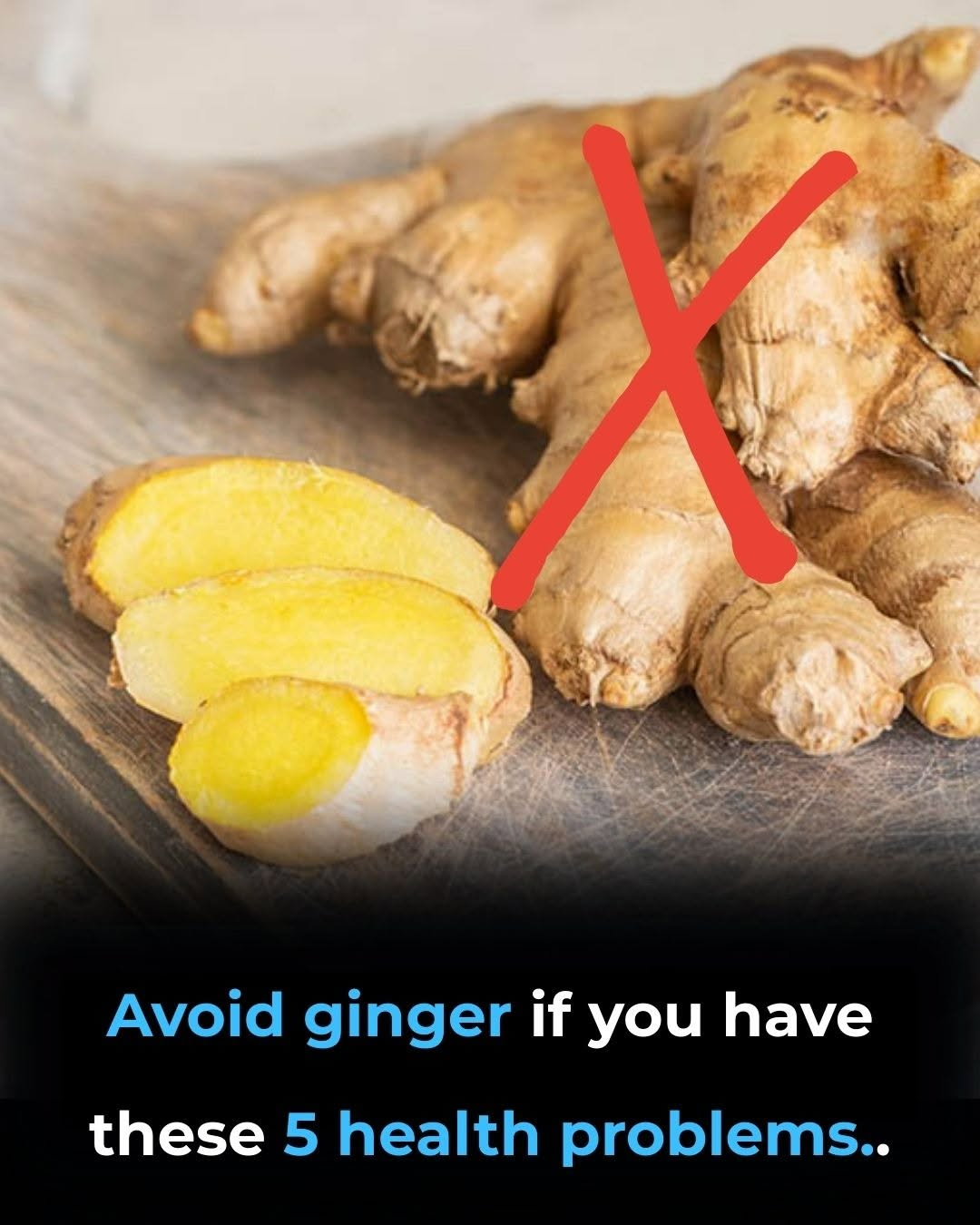
Avoid Ginger If You Have These 5 Health Problems (And Why It Matters)