Introduction
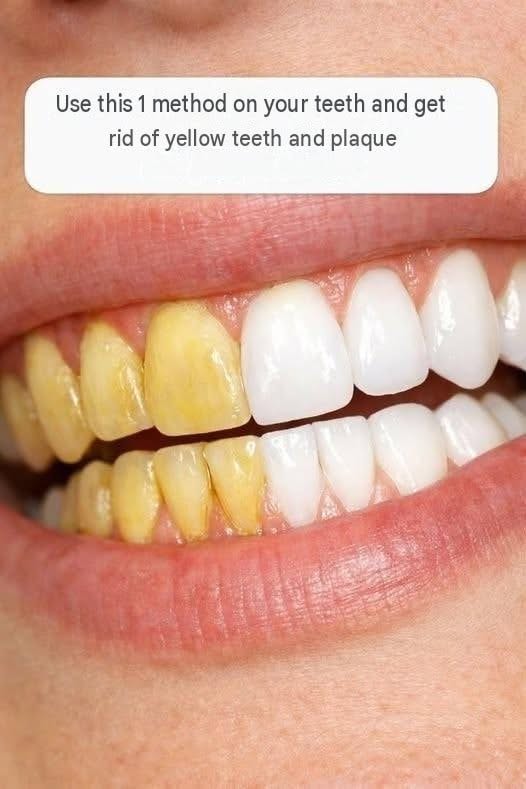
Maintaining good oral hygiene is one of the most important steps you can take for your overall health. Healthy teeth and gums not only contribute to a confident smile, but also play a key role in eating, speaking, and maintaining long-term well-being. One of the most common oral health problems people face is the buildup of dental plaque.
Plaque is a sticky film of bacteria that constantly builds up on teeth. If not removed regularly, it can contribute to tooth decay, gum irritation, bad breath, and other dental problems. While professional dental care is essential, the foundation for plaque control is daily oral hygiene.
One simple dental care method that can help reduce plaque buildup is proper daily flossing combined with regular brushing. Although flossing is often neglected, it helps clean areas that toothbrush bristles cannot easily reach.
In this article, we’ll look at how plaque forms, why it’s important to floss, how to use it properly, and other tips for maintaining a healthy smile.
What is dental plaque?
Dental plaque is a soft, colorless film composed mostly of bacteria, food particles, and saliva. It forms naturally on teeth throughout the day.
When you eat or drink, especially foods containing sugars and carbohydrates, bacteria in your mouth feed on these substances and produce acids. Over time, these acids can affect tooth enamel and contribute to oral health problems.
If plaque is not removed regularly, it can harden into tartar, which usually requires professional teeth cleaning to remove.
Why plaque buildup is important
Plaque buildup can affect both teeth and gums.
Possible consequences include:
Tooth
decay Gum irritation
Persistent bad breath
Increased risk of tooth decay
Gum disease
Tooth sensitivity
Preventing excessive plaque buildup is one of the most effective ways to support long-term oral health.
Simple Method: Floss Your Teeth Daily
Many people brush their teeth regularly but skip flossing. However, brushing alone may not be effective in cleaning the tight spaces between teeth.
Flossing helps remove:
Food particles
, plaque between teeth,
dirt near the gums.
These areas are often difficult for toothbrush bristles to reach.
Why Flossing Can Help
By removing plaque before it hardens, flossing helps to keep teeth and gums cleaner. Regular flossing can also contribute to fresher breath and overall better oral hygiene.
How to floss properly
Proper technique is important for effective plaque removal.
Step 1: Use a sufficient amount of dental
floss. Cut approximately 45 centimeters of dental floss.
Step 2: Wrap the floss
around your middle fingers, leaving a few inches of space.
Step 3: Gently guide
Hold the floss firmly between your thumbs and index fingers and gently guide it between your teeth.
Prevent dental floss from getting stuck in your gums.
Step 4: Create a C shape.
Wrap the floss around one tooth in a “C” shape and gently insert it below the gum line.
Step 5: Clean both sides.
Move the floss up and down the side of each tooth several times.
Step 6: Repeat.
Use a clean piece of floss as you move from tooth to tooth.
When building a flossing habit, consistency is often more important than perfection.
How often should you floss?
Most dentists recommend flossing once a day.
Many people prefer to floss:
Before bed
Before brushing your teeth
After the last meal of the day
Choosing a regular time can help you incorporate flossing into your regular routine.
Other Benefits of Flossing
In addition to controlling plaque, flossing can offer several benefits.
Promotes Gum Health
Removing debris around the gum line can help reduce irritation and promote healthier gums.
Helps freshen breath
Food particles trapped between teeth can contribute to bad breath.
Regular flossing can help reduce these sources of bad breath.
Promotes better oral hygiene habits
People who floss regularly are often more aware of their overall oral health and hygiene habits.
Other ways to reduce plaque buildup:
Flossing works best in combination with other healthy oral care habits.
Brush your teeth twice a day.
Use a soft-bristled toothbrush and fluoride toothpaste to clean your teeth thoroughly.
Brush your teeth for at least two minutes with each use.
Replace your toothbrush regularly.
Most toothbrushes should be replaced about every three to four months, or sooner if the bristles become worn.
Limit sugary foods and drinks.
Frequent consumption of sugar can promote bacterial growth and plaque formation.
Drink plenty of water.
Water helps remove food debris and promotes saliva production.
Schedule regular dental checkups.
Professional cleanings help remove tartar and identify potential problems before they become more serious.
Common Flossing Mistakes
Even people who floss regularly can benefit from improving their technique.
Flossing too aggressively.
Using too much force can irritate the gums.
Skipping certain teeth
All interdental spaces should be cleaned.
Reusing soiled areas
Moving plaque from one area to another reduces effectiveness.
Irregular flossing
Occasional flossing is less beneficial than establishing a daily habit.
Alternatives to Traditional Flossing
Some people find using traditional floss difficult.
Alternative options include:
Floss Tips
Comfortable and easy to carry.
Water toothpastes
Devices that use a stream of water to clean between teeth.
Interdental brushes
Small brushes designed for cleaning between teeth.
Choosing a method that you can use consistently is often the most important factor.
The role of diet in oral health
Nutrition also influences the formation of dental plaque and the health of teeth.
Foods that promote oral health include:
Crunchy vegetables
Fresh fruits
Dairy products
Nuts
Lean proteins
These foods can stimulate saliva production or provide nutrients that support healthy teeth and gums.
When to see a dentist
Although flossing can be an effective part of oral hygiene, it is important to see a dentist if you experience:
Persistent bleeding
gums Toothache
Loose teeth
Persistent bad breath
Receding
gums Tooth sensitivity
A dentist can identify the underlying causes and recommend appropriate treatment.
Creating a Sustainable Oral Care Routine
The best dental care routine is one that you can follow consistently.
Simple habits often yield the best long-term results:
Brush your teeth twice a day.
Floss once a day.
Drink water regularly.
Limit sugary snacks.
Visit your dentist regularly.
Even these small steps can have a significant impact on your oral health over time.
Conclusion
A simple dental care method that can help reduce plaque buildup is daily flossing combined with regular brushing. While brushing cleans the visible surfaces of your teeth, flossing targets the spaces between them, where plaque and food particles often accumulate.
By incorporating flossing into your daily routine, you can promote cleaner teeth, healthier gums, fresher breath, and overall better oral hygiene. Combined with healthy dietary choices and regular dental checkups, this simple habit can contribute to a healthier smile for years to come.
Consistency is key. Even a few minutes a day spent on proper oral care can go a long way in maintaining strong teeth and healthy gums.