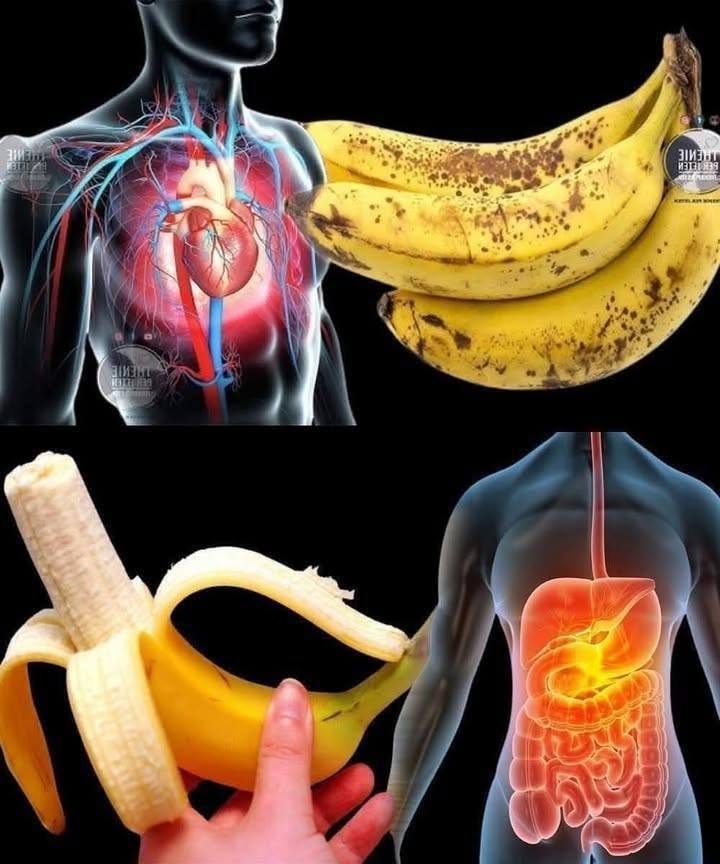
There are few fruits as universally loved, portable, and affordable as the banana. It is the ultimate convenience food, wrapped in its own biodegradable packaging, sweet, filling, and available year-round. But behind its humble, curved exterior lies a complex biochemical cocktail that has a profound impact on the human body. The viral image showing a bunch of ripe, speckled bananas next to an anatomical diagram of the heart and the digestive system asks a tantalizing question: “Did you know that eating bananas increases…?” Increases what? Energy? Heart health? Digestion? The answer is all of the above and more. However, like everything in nutrition, the story is not one-sided. Eating bananas can increase certain vital functions, but it can also increase some risks if consumed in excess or by the wrong people. To understand the true power of the banana, we must peel back the layers of this tropical fruit and examine its effects on the cardiovascular system, the digestive tract, and the body’s overall physiology.
The Nutritional Profile: Nature’s Energy Bar
To understand why bananas are so powerful, we must first look at what they contain. A medium-sized banana is approximately 105 calories, composed mostly of water and carbohydrates. It is virtually fat-free and contains a moderate amount of protein. But the magic lies in its micronutrients. A single banana is packed with:
Potassium: A large banana contains about 450 mg of potassium, which is roughly 10% of the daily recommended intake. Potassium is a critical electrolyte that helps regulate blood pressure, fluid balance, and muscle contractions.
Vitamin B6: One banana provides about 20% of your daily requirement of Vitamin B6, which is essential for brain development, immune function, and the production of red blood cells.
Vitamin C: A good source of immune-boosting Vitamin C.
Magnesium: Important for muscle and nerve function, blood sugar levels, and blood pressure.
Fiber: A medium banana contains about 3 grams of fiber, which aids digestion and promotes satiety.
Antioxidants: Bananas contain dopamine and catechins, which are linked to various health benefits.
It Increases Heart Health (The Cardiovascular Connection)
The top half of the viral image shows a human heart with its intricate network of blood vessels. This is no coincidence. Bananas are renowned for their heart-protective properties, primarily due to their high potassium content. Potassium is the yin to sodium’s yang. While sodium raises blood pressure by causing the body to retain water, potassium helps the body flush out excess sodium and relaxes the walls of the blood vessels. This lowers blood pressure and reduces the strain on the heart.
Studies have consistently shown that people with high potassium intake have a significantly lower risk of stroke and heart disease. The American Heart Association recommends increasing potassium intake while reducing sodium. A banana a day is a simple, delicious way to achieve this balance. Furthermore, the fiber in bananas can help lower cholesterol levels, further reducing the risk of cardiovascular disease. The magnesium in bananas also plays a role in maintaining a healthy heartbeat. So, when the image asks what bananas increase, one answer is clear: they increase cardiovascular resilience.
It Increases Digestive Health (The Gut Connection)
The bottom half of the image shows the human digestive system, highlighting the stomach and intestines. Bananas are a superstar when it comes to gut health, but their effect depends on their ripeness.
Unripe (Green) Bananas: Green bananas are rich in resistant starch and pectin. Resistant starch is a type of carbohydrate that escapes digestion in the small intestine and travels to the large intestine, where it acts as a prebiotic. It feeds the beneficial bacteria in the gut, promoting a healthy microbiome. This can improve digestion, reduce bloating, and even help with weight management. Pectin, a soluble fiber, can help normalize bowel movements and soothe an irritated gut. This is why green bananas are often recommended for people with diarrhea.
Ripe (Yellow) Bananas: As a banana ripens, the resistant starch converts to simple sugars like fructose and glucose. The fiber content remains, but the prebiotic effect diminishes. Ripe bananas are easier to digest and provide a quick source of energy. They are also a good source of soluble fiber, which can help lower cholesterol and regulate blood sugar.
For people with Irritable Bowel Syndrome (IBS), the ripeness of the banana matters. Ripe bananas contain higher levels of FODMAPs (fermentable oligosaccharides, disaccharides, monosaccharides, and polyols), which can trigger bloating and gas in sensitive individuals. Green bananas are generally better tolerated.
It Increases Energy and Exercise Performance
Bananas are a favorite among athletes for a reason. They are a perfect pre-workout snack. The carbohydrates in a banana are easily digestible and provide a quick burst of energy. The potassium helps prevent muscle cramps during exercise. A study conducted at Appalachian State University found that eating half a banana every 15 minutes during a cycling time trial was as effective as drinking a carbohydrate-matched sports drink. Bananas also contain antioxidants that can help reduce exercise-induced inflammation. So, bananas increase physical stamina and recovery.
It Increases Kidney Health (But with a Warning)
The kidneys are responsible for filtering waste and maintaining electrolyte balance. The potassium in bananas can help protect the kidneys. A study published in the Clinical Journal of the American Society of Nephrology found that people who ate bananas regularly had a lower risk of developing kidney disease. However, this is where the warning comes in. For people with advanced chronic kidney disease, the kidneys cannot efficiently filter out potassium. In these cases, eating too many bananas can lead to a dangerous buildup of potassium in the blood, a condition called hyperkalemia, which can cause heart arrhythmias. So, while bananas increase kidney health in healthy individuals, they can be dangerous for those with compromised kidney function.
It Increases Mood and Brain Function
Bananas contain tryptophan, an amino acid that the body converts into serotonin, the “feel-good” neurotransmitter. Serotonin is known to improve mood, reduce anxiety, and promote relaxation. The Vitamin B6 in bananas also helps with the production of serotonin and dopamine. Furthermore, the high levels of magnesium can help you sleep better. So, eating a banana can increase your sense of well-being and mental clarity.
It Increases Blood Sugar (The Glycemic Index)
This is the “increase” that often gets overlooked. Bananas are a carbohydrate-rich food, and they do raise blood sugar. The glycemic index (GI) of a banana depends on its ripeness. Unripe bananas have a low GI (around 30), while overripe, speckled bananas have a high GI (around 60-70). For people with diabetes, this is crucial. A very ripe banana can cause a rapid spike in blood sugar. However, the fiber in the banana helps slow down the absorption of sugar. The key is moderation and pairing the banana with a source of protein or fat, such as peanut butter or yogurt, to blunt the blood sugar spike.
It Increases Weight Management (or Weight Gain)
Bananas can be a double-edged sword for weight management. They are high in fiber and water, which increases satiety. Eating a banana before a meal can help you eat less. However, they are also calorie-dense compared to other fruits. If you are trying to lose weight, you should be mindful of portion sizes. If you are trying to gain weight, bananas are a great, healthy way to add calories.
The “See More” Trap: The Dark Side of the Viral Post
The viral image ends with “See more,” a common tactic used on social media to drive engagement. These posts often lead to lengthy, ad-filled articles that make exaggerated claims. While bananas are incredibly healthy, they are not a magic cure-all. The claim that they “increase” something is often a vague hook to get you to click. It is important to rely on scientific evidence, not viral memes, for your health information.
Conclusion: The Balanced Truth
So, what does eating bananas increase? It increases heart health, digestive efficiency, energy levels, and mood. It can increase kidney protection and exercise performance. But it can also increase blood sugar and potassium levels in vulnerable populations. The banana is not a miracle fruit, but it is a nutritional powerhouse. The image of the heart and the digestive system is a reminder that what we eat has a direct impact on our vital organs. A banana a day can be a part of a healthy, balanced diet. But as with all things, moderation is key. Eat the banana. Enjoy the banana. But do not expect it to solve all your health problems. It is a fruit, not a pharmacy. And that is the truth behind the yellow peel.